How did the size of the city change through expansion?
"The two consecutive expansions more than doubled the size of Seoul from approximately 268 km2 (103 mi2) to 613 km2 (237 mi2)."
This massive expansion transformed the urban landscape into a sprawling metropolis where population density and geographic scale meet. Understanding the relationship between the city's growth and its environmental management is essential for evaluating its long-term stability.
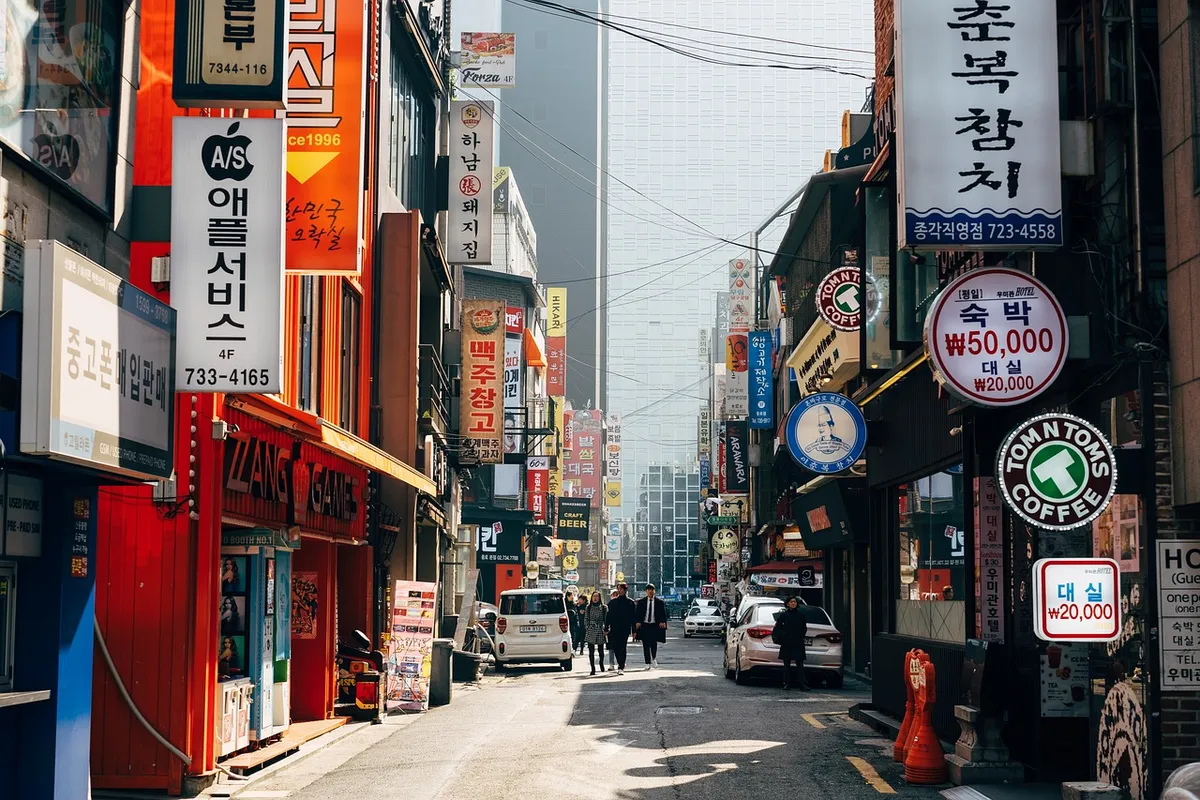
This article examines the physical expansion of the capital, its shifting population trends, and the air quality improvements that have shaped its development.
How did the size of the city change through expansion?
An architect looks at a map of the expanding capital to trace the lines of growth. The two consecutive expansions more than doubled the size of Seoul from approximately 268 km2 (103 mi2) to 613 km2 (237 mi2).
This growth represents a significant shift in the urban footprint. The sheer scale of the land area changed how the city functions internally. The expansion created a much larger space for infrastructure and residential development.
The current geography of the city is vast. Seoul proper comprises 605.25 km2 (233.69 sq mi), with a radius of approximately 15 km (9 mi), roughly bisected into northern and southern halves by the Han River. This division creates distinct urban zones.
- Define the initial urban boundaries.
- Map the outward expansion zones.
- Integrate new residential districts into the existing grid.
Is the population concentrating in the capital?
A researcher tracks the movement of people through the changing density of the streets. This was up by 0.7% from 49.1% in 2010, showing a distinct trend toward the concentration of the population in the capital.
This trend toward the capital highlights how the urban center attracts residents. The concentration of the population impacts how resources are allocated. Urban center education value often depends on this density.
The demographic shift affects the city's social fabric. As more people move to the capital, the demand for services increases. City higher ed reputation and social trust are often tied to how well the city manages this influx.
In this sequence, the second step is the longest.
How has air quality improved over time?
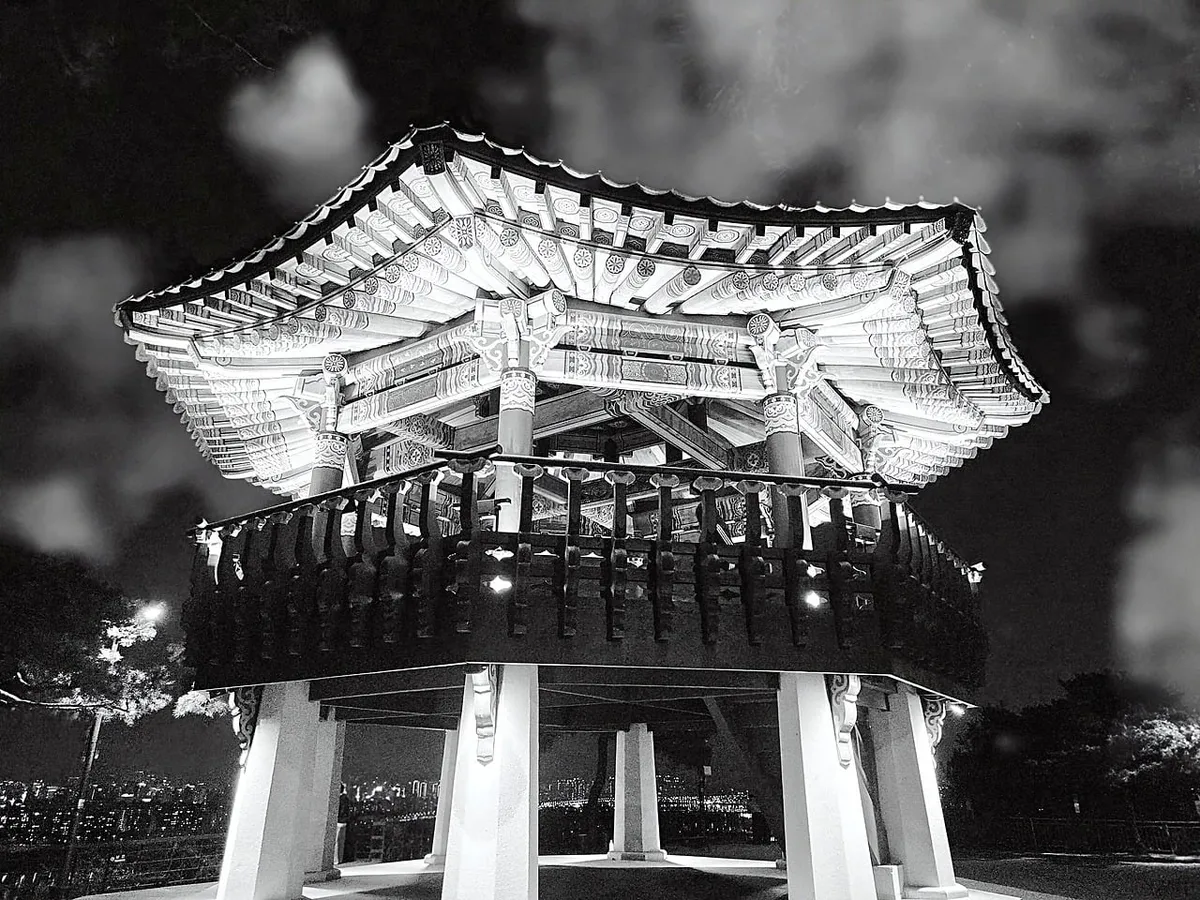
A citizen breathes the air during a morning walk through a city park.
Between 2005 and 2021 annual concentration levels of small particulate matter (PM10) fell by 30-40 % in Seoul, whilst concentrations of larger particulate matter (PM 2.5) in the same period fell by 19% across the country and more in Seoul and Gyeonggi.
These improvements reflect successful environmental management. While the country saw a 19% drop in PM 2.5, the reduction in Seoul was even more pronounced. This indicates targeted efforts to clean the urban atmosphere.
The reduction in particulate matter is vital for public health. Lowering these levels helps maintain the livability of a dense metropolis. University town strength and the ability to sustain a large population depend on these environmental factors.
What are the targets for pollution reduction?
An official reviews the latest environmental targets in a government office. The target was to cut pollution to over 30% below the legal limit of 50 μg/m3.
Setting specific goals provides a roadmap for urban sustainability. Reaching these targets requires consistent policy and investment. Academia shapes city image when science-led targets are met.
The legal limit serves as a baseline for health and safety. By aiming well below this limit, the city seeks to improve the quality of life for its residents. Higher ed drives urban growth when the environment is stable.
How is the city managing its environmental future?
A planner allocates funds for new air quality projects. Starting in 2024, ₩100 billion annually for three years was earmarked for air pollution reduction measures.
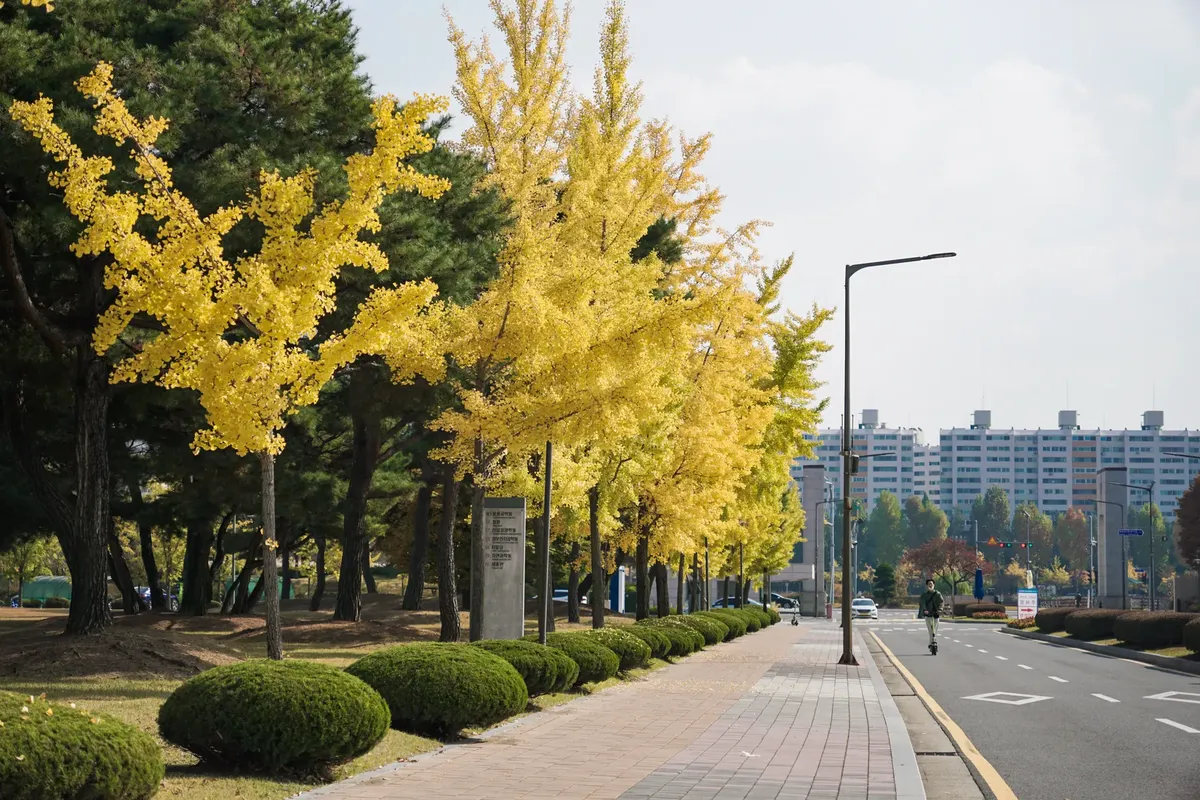
These funds are intended to sustain the progress made in previous years. Investment in technology and policy helps mitigate the effects of a large population. Higher ed impacts social trust when the environment is well-managed.
| Metric | Change/Value |
|---|---|
| PM10 reduction (2005-2021) | 30-40% |
| PM 2.5 reduction (National) | 19% |
I observed that the planned spending reflects a commitment to long-term air quality. The budget provides the necessary resources for modern pollution control.
A limitation exists regarding the climate, as Seoul has a humid continental or humid subtropical climate with great variation in temperature and precipitation, which can influence how pollution disperses.
Related
How does the scale compare between the two phases of growth?
The two consecutive expansions resulted in a final size that was more than double the initial measurement. The initial area was around 268 km2 (103 mi2), and the final area reached 613 km2 (237 mi2). This growth trajectory shows the dramatic physical transformation of the urban area.
The current geography, totaling 605.25 km2 (233.69 sq mi), is bisected by the Han River, establishing two distinct halves. This division influences how the city functions internally despite the overall massive scale.
The population density trend shows a clear attraction to the capital city. This concentration impacts how resources are allocated across the vast urban footprint. The demographic shift necessitates robust service provision from the central administration.
How does the current geography relate to the initial growth?
The current geography, measured at 605.25 km2 (233.69 sq mi), reflects the culmination of the two consecutive expansions. This large area is bisected by the Han River, creating two functionally distinct zones within the metropolis.
This physical division influences the internal operations of the sprawling city.
The initial state of the city, approximately 268 km2 (103 mi2), underwent a dramatic physical transformation through these expansions. The final size of 613 km2 (237 mi2) demonstrates the successful scaling up of the urban domain.
This growth trajectory is a direct result of the planning decisions made during those two consecutive expansions.
The population concentration trend mirrors this physical expansion. As the city grew in scale, the influx of residents continued, stressing the need for adequate service allocation across the wider urban footprint.
The initial smaller size necessitated a different kind of resource management compared to the current vastness.
What influences the air quality improvement?
The air quality improvements are a composite result of both natural dispersion and targeted municipal action. The fall in PM10 concentration by 30-40% in Seoul during the specified period suggests successful, focused interventions.
Furthermore, the greater reduction in PM 2.5 in Seoul compared to the national average points to enhanced local management efforts.
The commitment to air quality is underscored by the earmarked annual funding starting in 2024. This financial commitment signals a sustained policy focus on mitigating pollution effects within the large urban area.
The humid continental or humid subtropical climate presents a variable condition affecting how these pollutants disperse.
The initial growth phase established the need for modern environmental controls. The subsequent sustained management of the air quality demonstrates the city's ability to adapt to its own massive scale. This adaptation is crucial for maintaining the habitability of such a large population center.



Comments 0