Amsterdam's Rise: A 21st Century Global Business Leader
Beyond the winding canals and colorful tulip markets lies a sophisticated economic engine that serves as the primary gateway between the European continent and the global market.
Amsterdam is no longer just a city of merchants and sailors; it is a high-tech, knowledge-driven powerhouse. By leveraging its historic trade roots and merging them with cutting-edge digital infrastructure, the city has secured its place as a premier global business hub.
Key Takeaways * Amsterdam has transitioned from a trade-centric maritime power to a leader in high-tech, fintech, and the knowledge economy.
* The city's strategic connectivity—linking Schiphol Airport, the Port of Amsterdam, and massive digital data hubs—makes it Europe's premier logistics and digital backbone.
* The "Circular Economy" model is being woven into the city's very fabric, ensuring that sustainability drives long-term real estate and industrial value. * A highly internationalized, English-proficient workforce and a consensus-based political climate drive consistent foreign direct investment.

How did Amsterdam evolve from a maritime power to a modern economic hub?
Walking through the Oude Kerk in the city center, the scent of damp stone and history fills the air, reminding visitors of a time when the world's wealth flowed through these very streets.
In the 17th century, the Dutch East India Company (VOC) turned this city into the financial capital of the world.
The transition from the Golden Age to the modern era was not an accident of fate but a calculated shift in economic philosophy. While the city once relied on the physical movement of spices and silk, it now relies on the movement of data and intellectual property.
This evolution was guided by the "Polder Model"—a uniquely Dutch approach to decision-making based on consensus between the government, employers, and labor unions. This stability provided the bedrock for the city to move away from heavy industry toward a "Triple Helix" model.
This model fosters constant collaboration between universities, private industry, and the government, ensuring that academic research translates directly into commercial success.
The historical importance of the Port of Amsterdam provided the initial momentum, but the city's survival depended on its ability to reinvent its purpose. The docks that once held wooden merchant ships now host the digital infrastructure that powers much of Europe.
This ability to pivot from physical cargo to digital packets is the hallmark of Amsterdam's economic resilience.
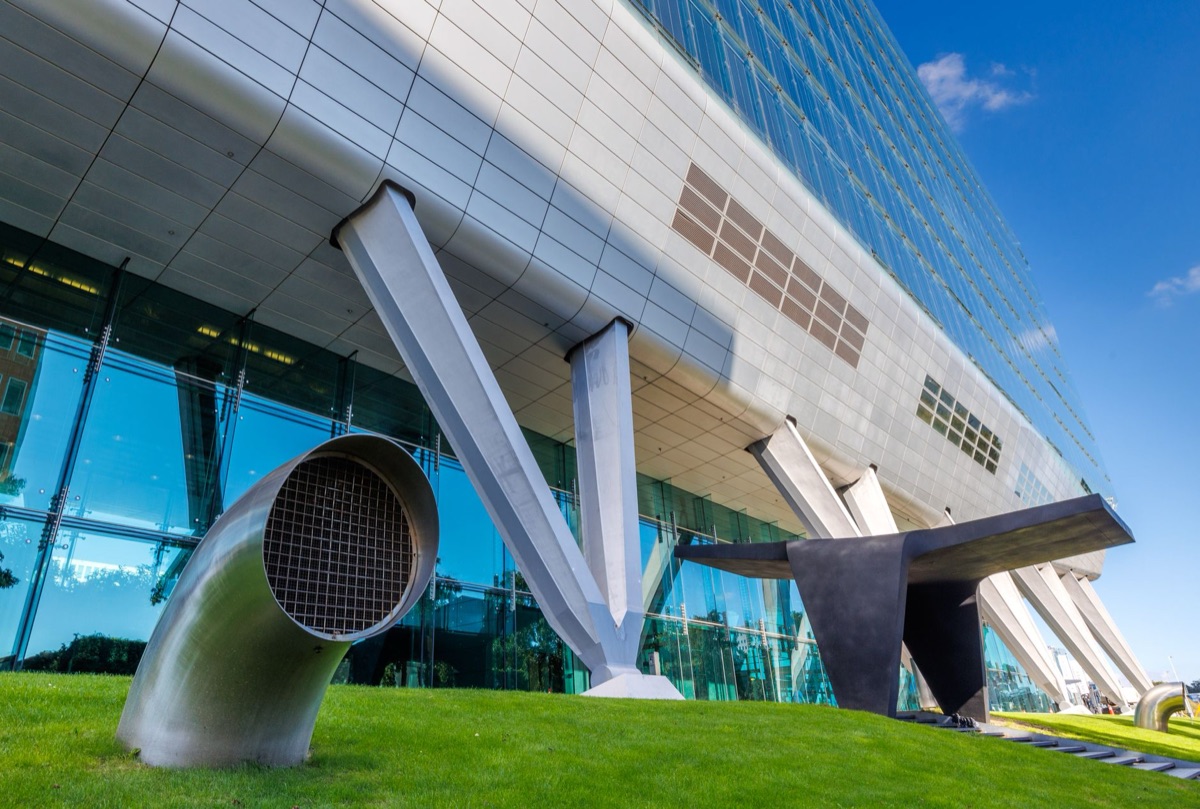
What are the core pillars of Amsterdam's modern industrial structure?
The hum of a server room in a darkened data center provides a sharp contrast to the quiet, historic canal houses just a few kilometers away. This invisible hum is the sound of the modern economy.
The city's economic structure rests on four distinct but interconnected pillars. First, the Fintech and Digital Economy serves as the city's digital backbone.
Through massive data centers operated by firms like Equinix and Interxion, Amsterdam has become a vital node in the global internet infrastructure. Second, the synergy between Schiphol Airport and the Port of Amsterdam ensures that the city remains a global leader in logistics and connectivity.
The third pillar is the rise of the creative and tech sectors. The Zuidas district has emerged as the city's premier financial center, while the Noord and West districts have become breeding grounds for the tech-startup scene.
Finally, the Life Sciences and Biotech sector, anchored by the Amsterdam Science Park, drives high-value employment through intensive R&D. This combination of physical logistics and digital dominance creates a dual-layered economy that is difficult for competitors to replicate.
How is the Real Estate and Investment landscape shaped?
The glass towers of the Zuidas district rise sharply against the sky, reflecting the sunlight and the ambitions of the financial elite. This neighborhood is the "Wall Street of the Netherlands," characterized by high-density commercial real estate and the headquarters of international firms.
The investment landscape is shaped by a constant tension between scarcity and demand. The residential housing shortage in the city has created a highly competitive market, often driving international talent to look at the outskirts or nearby cities.
However, the city has countered this through massive urban regeneration projects. A prime example is the NDSM Wharf, where former industrial shipyards have been transformed into high-value residential and commercial mixed-use areas.
| Feature | Zuidas District | NDSM Wharf / Noord |
|---|---|---|
| Primary Use | Finance, Law, Corporate HQ | Creative, Tech, Residential |
| Real Estate Type | High-density Commercial | Mixed-use / Industrial Re-use |
| Vibe | Polished, Professional | Industrial, Trendy, Artistic |
| Accessibility | High (Rail/Metro) | Ferry / Water-based / Transit |
Investment trends are increasingly shifting toward ESG-compliant (Environmental, Social, and Governance) properties. Because the Dutch tax laws and EU regulations favor sustainable development, the city's real estate market is becoming a leader in green building standards.
This shift ensures that the city's growth remains aligned with its environmental mandates.
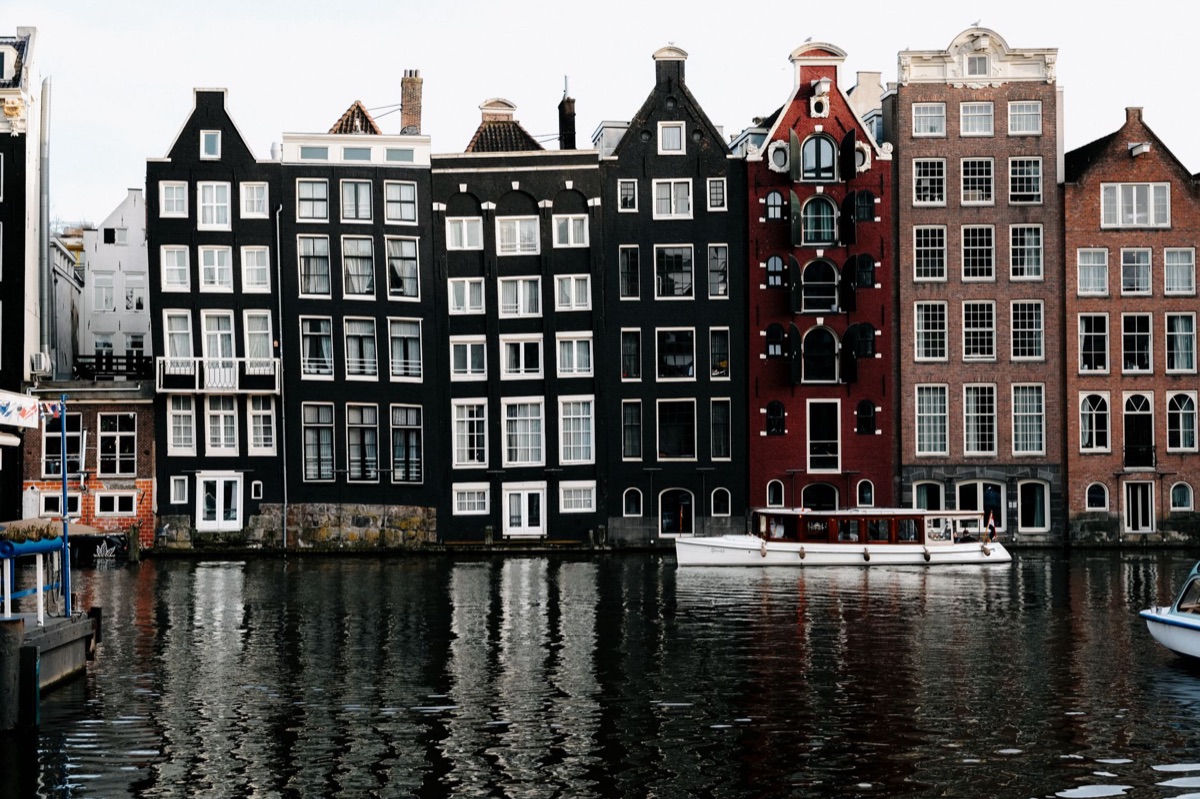
What role does the "Circular Economy" play in Amsterdam's future growth?
In a small workshop in the West district, a designer meticulously assembles a chair made entirely from recycled ocean plastics and reclaimed wood. This is the face of the future.
The city has set an ambitious goal to be sustainably circular by 2050. This is not merely an environmentalist's dream; it is a structural economic strategy. By aiming for a 100% circular economy, Amsterdam is fundamentally altering the manufacturing and construction sectors.
This mandate drives the rise of "Green-Tech" startups that focus on zero-waste production and the integration of renewable energy into the urban grid.
The economic benefits of this model are twofold. First, it reduces the city's dependency on external resources, shielding the local economy from global supply chain shocks.
Second, it attracts "impact investors"—wealthy individuals and venture capital firms looking to park capital in businesses that provide measurable social and environmental returns. This circularity is becoming the city's competitive advantage in a world increasingly concerned with resource scarcity.
What are the practical considerations for global businesses entering this market?
A young professional from Singapore sits in a crowded cafe in De Pijp, typing rapidly on a laptop while navigating a complex tax document. This scene is common in the city's international business hubs.
For global businesses, entering the Amsterdam market requires an understanding of its unique human and regulatory landscape. The international talent pool is a massive asset; the workforce is highly educated, multicultural, and almost universally proficient in English.
This makes managing a global team much smoother than in many other European capitals.
However, businesses must navigate two specific challenges: 1. The Regulatory Environment: While the Netherlands is business-friendly, companies must remain compliant with both Dutch-specific laws and broader EU-wide regulations. 2.
The Cost of Doing Business: While the talent is world-class, the cost of office space in prime areas like Zuidas is high. Additionally, the "expat tax" (30% ruling) and other tax implications for international hires must be carefully planned.
Strategic networking is also vital. The city's business culture is professional but relatively flat in hierarchy. Success often depends on building relationships through the various industry-specific hubs, such as the biotech clusters or the fintech networks.
#





Comments 0