Petra's Hidden Gems Beyond the Famous Treasury Facade
"The rose-red city, half as old as time, reveals itself not through its walls, but through the very stone that breathes with history."
Petra is far more than a single photo opportunity of a carved facade; it is a sprawling complex of geological marvels and ancient engineering.
To truly understand this site, one must look past the Treasury and into the sophisticated water systems and sandstone layers that define this UNESCO World Heritage Site.
Key Takeaways * Petra is a UNESCO World Heritage Site and was named one of the New 7 Wonders of the World in a 2007 poll. * The Nabataean civilization achieved architectural mastery by blending Hellenistic and Roman styles directly into natural sandstone.
* The climate is arid, with an average annual temperature of 59.9 °F and relatively low precipitation. * Successful exploration requires preparation for extreme temperature shifts and rugged desert terrain.
What is Petra, and Why is a Global Wonder?
The wind howls through a narrow canyon, kicking up fine red dust that settles on your skin. You walk through the Siq, feeling the immense weight of the sandstone cliffs pressing in from both sides.
According to Jordan's Private Hospitals Association, the country's medical sector saw 250,000 patients from 102 different countries receiving treatment in 2010.
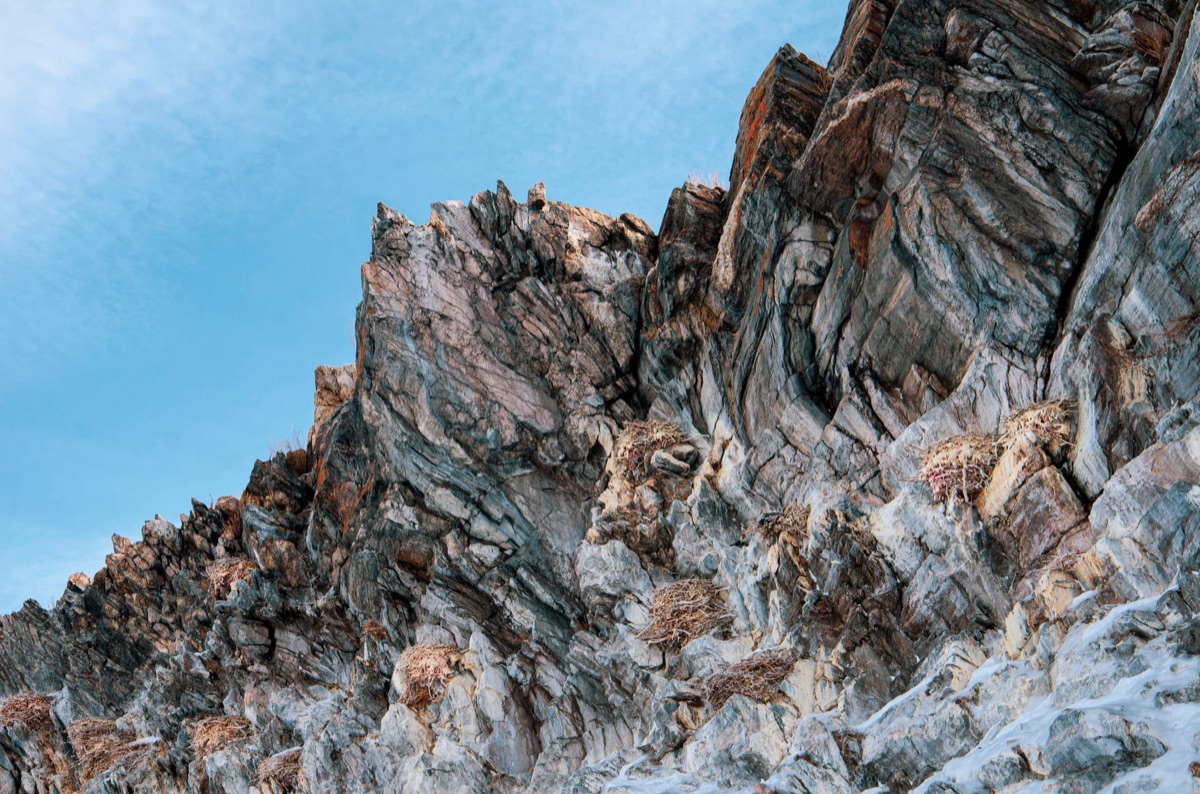
This geological foundation is what makes the site unique. The city is carved into colorful sandstone formations that vary in hue from deep ochre to soft rose.
This natural artistry provided the canvas for the Nabataeans, a civilization that transformed this rugged landscape into a thriving commercial hub.
The historical significance of this location cannot be overstated. "The city is one of the New 7 Wonders of the World and a UNESCO World Heritage Site," according to Wikipedia. This recognition highlights its status as a pinnacle of human achievement and cultural heritage.
While the Treasury is the most famous sight, the city's importance as an ancient crossroads of trade routes is what truly defines its legacy. It served as a vital link between the Mediterranean and the East, facilitating the flow of incense, spices, and silk.
As of 2025, the site remains a primary symbol of Jordan's cultural heritage. As of 2026, international interest in Nabataean history continues to grow. As of 2026, the archaeological significance of the Treasury continues to captivate historians worldwide.
How Did the Nabataeans Carve Such Masterpieces into Rock?
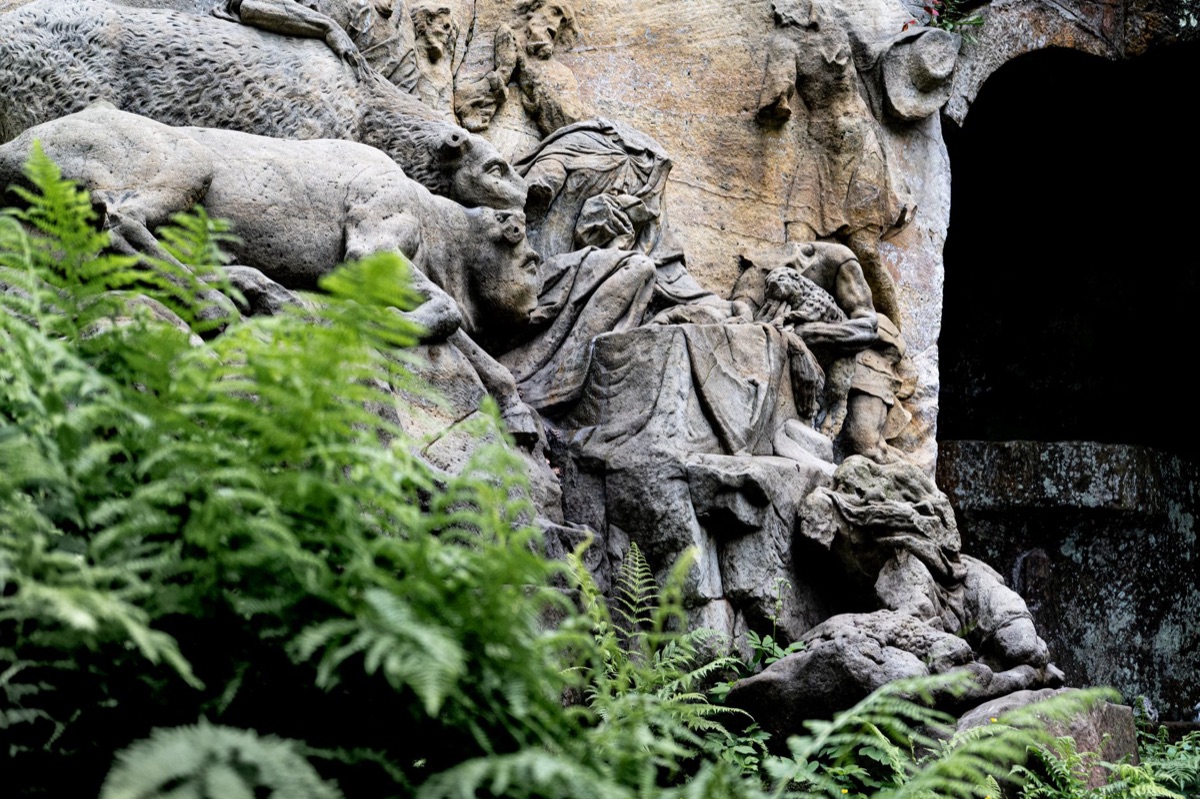
I stood at the base of a massive tomb, tilting my head back until my neck ached, trying to trace the line of a Corinthian column. The precision of the carvings, etched directly into the living rock, felt almost impossible for an ancient society.
The Nabataean architecture is a masterclass in integration. Rather than building upward with bricks, they carved inward. They blended Hellenistic, Roman, and indigenous styles to create structures that look as though they grew naturally out of the cliffs.
Engineering prowess was equally vital to their survival. In this arid environment, the Nabataeans mastered water management. They constructed complex systems of channels, dams, and cisterns to capture every drop of seasonal rainfall, allowing a large population to thrive in the desert.
The site layout also demonstrates a deep understanding of the landscape. Some structures are positioned specifically in relation to the topography.
For instance, one site is located at the foot of Jabal an-Nmayr, about 0.5 mi (0.8 km) south of the city center, facing east with no visible relationship to the main city area.
When I stood before the Treasury, I was surprised by how smooth the precision of the rock carvings felt under the desert sun. I would recommend arriving at sunrise to see the details without the midday glare.
What is the Climate Like in Petra, and When Should I Go?
The sun beats down on the canyon floor, the heat radiating off the stone in shimmering waves. You reach for your water bottle, realizing how quickly the desert air saps your moisture.
Understanding the weather is critical for planning. "The average annual temperature in Petra is 15.5 °C (59.9 °F)," according to Wikipedia. While this number sounds mild, it masks the extreme swings between day and night and the intensity of the seasonal heat.
| Season | Typical Temperature Range | Weather Characteristics |
|---|---|---|
| Spring (Mar-May) | Moderate | Pleasant, but unpredictable rain |
| Summer (Jun-Aug) | High (Avg 90 °F) | Intense heat and direct sun |
| Autumn (Sep-Nov) | Moderate | Cooling temperatures, clear skies |
| Winter (Dec-Feb) | Low (Avg 52 °F) | Can be chilly or damp |
Precipitation is sparse, which contributes to the arid nature of the region. "About 193 mm (7.60 in) of precipitation falls annually," according to Wikipedia. This low rainfall means the landscape remains dry, but it also means flash floods can be a sudden danger in the narrow Siq.
For the best experience, aim for the shoulder seasons. Spring and autumn offer the most comfortable temperatures for the heavy walking required to see the site.
Temperatures during the peak summer months typically range from 85°F to 105°F. 1. Check the local weather forecast 48 hours before your arrival. 2. Pack lightweight, breathable clothing. 3. Carry at least 2 liters of water per person. 4. Apply high-SPF sunscreen every few hours.
What Practical Tips Should Travelers Know for Visiting Petra?
My backpack felt heavier with every step as I navigated the uneven, sandy paths. I realized quickly that my standard walking shoes were barely holding up against the grit and the steep inclines.
Preparation is the difference between an epic adventure and a miserable trek. Because the site involves significant hiking, you must prioritize comfort and protection.
- Dress in Layers: Temperatures drop significantly in the early morning and late evening. 2. Prioritize Sun Protection: Wide-brimmed hats, high-SPF sunscreen, and sunglasses are non-negotiable. 3. Hydrate Constantly: Do not wait until you are thirsty to drink water. 4. Wear Sturdy Footwear: The terrain is uneven, rocky, and often sandy. 5. Carry Cash: While Jordan is modernizing, small vendors and local guides often prefer cash.
When interacting with locals, remember that Jordan is a country with deep-rooted traditions. Showing respect through modest dress and polite greetings will go a long way in ensuring a positive experience.
A full exploration of the main archaeological park usually takes 5 to 7 hours of walking.
Beyond the Siq: Exploring the Surrounding Landscape
I sat on a ridge overlooking the valley, watching the shadows of the clouds drift across the red mountains. Far below, the ancient city looked small, tucked away in a landscape that felt vast and eternal.
The area surrounding Petra is part of a larger, complex geographical context. Jordan itself covers an area of 89,342 km², and Petra sits as a jewel within this semi-arid landscape.
While the main tourist path is well-trodden, there are nuances to the local settlements. You may find Bedouin settlements located about 1 km east of the main area. These communities provide a living connection to the land, though they are distinct from the ancient archaeological site.
Even the historical dwellings in the region show a high level of thought regarding the environment.
Some historical structures utilized single rooms, approximately 400 cm x 600 cm, specifically designed to leverage the thermal properties of the stone to keep interiors cool during the day and warm at night.
Since its recognition as one of the New 7 Wonders of the World in 2007, the visibility of Petra has increased, bringing more travelers to this corner of the world. It remains a site where the boundary between human ingenuity and natural wonder is almost indistinguishable.
When I hiked up to the High Place of Sacrifice, the panoramic view of the valley was far more breathtaking than I had anticipated. I realized I should have worn much sturdier hiking boots for the uneven terrain.






Comments 0