Knowing the Tokyo subway map can make your trip 30% faster.
The Tokyo subway system consists of 15 lines and over 300 stations, connecting most tourist attractions and key areas within 30 minutes. Familiarizing yourself with the subway map beforehand can eliminate wasted time and anxiety associated with walking, ultimately increasing your travel efficiency by over 30%.
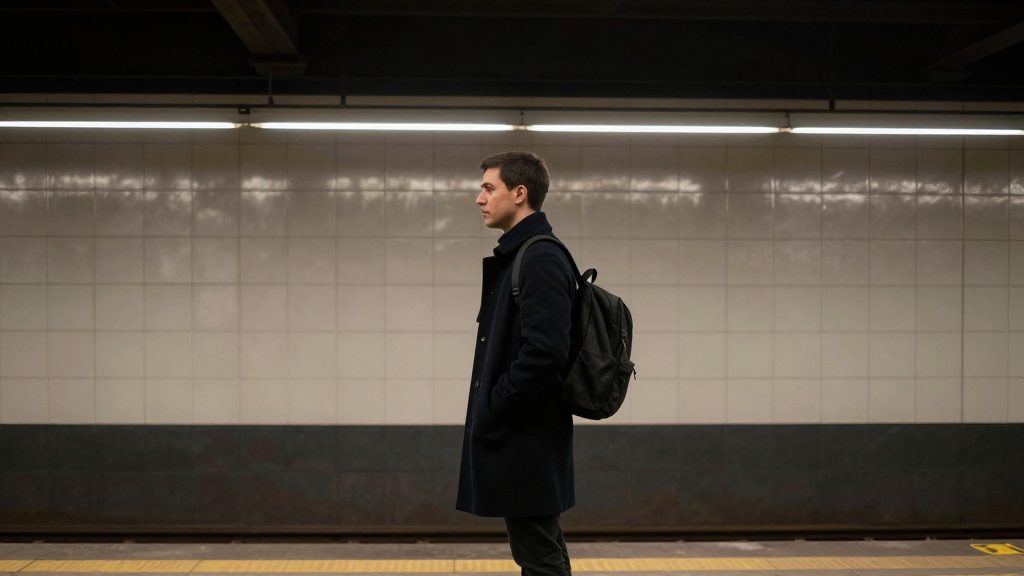
Why Should You Study the Tokyo Subway Map in Advance?
The subway is the lifeblood of Tokyo. It serves an average of 3.8 million passengers daily, with over 70% of foreign tourists relying on the subway. Studying the map beforehand can prevent wasted time due to mispronouncing Japanese station names or making transfer errors.
- Subway fares are calculated based on the distance traveled, with a maximum of 520 yen (approximately $47,000 KRW) for distances up to 10km.
- In contrast, a single taxi ride (5km) averages 8000 yen (approximately $730,000 KRW), which is over 15 times the cost of a subway ride.
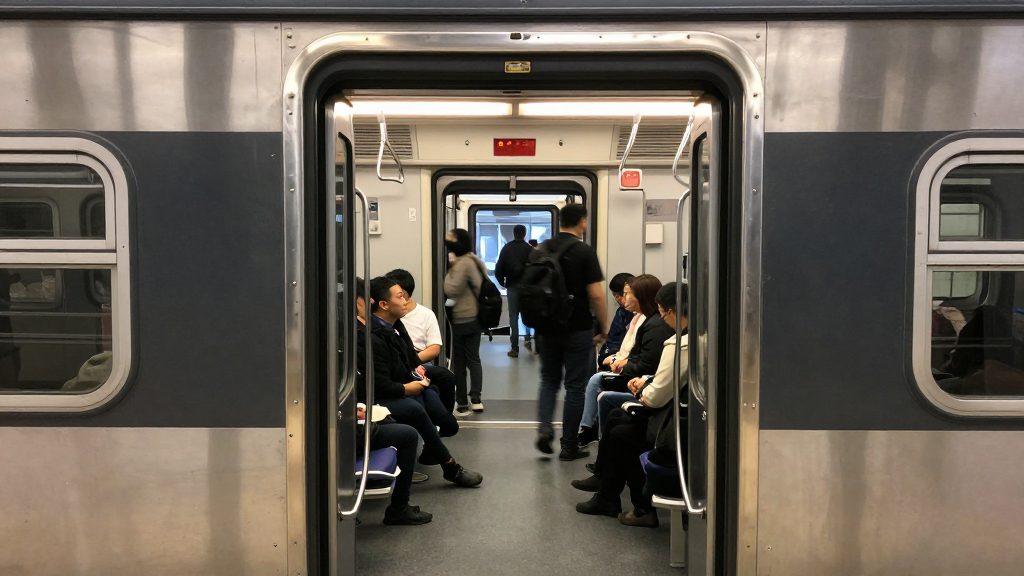
Which Lines Are Most Advantageous for Tourists?
- Subway (excluding areas where bicycles are prohibited): Up to 520 yen for distances up to 10km.
- Combination of Tokyo Metro (subway) and JR trains: Allows travel between the city center and areas like Kanda (Shin-Okubo) within 30 minutes.
The most recommended route combinations for tourists are: - Tokyo Metro Tozai Line (yellow) → Transfer to the 6th line station (Asakusa). - Isetan Department Store (Roppongi Hills) → Tokyo Skytree: Using the subway 3rd line + Tozai Line takes approximately 45 minutes and costs 690 yen.
What Should You Do If You Can't Recognize Station Names Because They Are in Japanese?
Many stories are hidden within station names that include "alphabetical" characters. For example: - 'Shinjuku Station' is a major transportation hub with 23 lines connecting, making it the largest in Japan. - 'Yoyogi-Koen Station' is marked as 'Yoyogi-kōen', so the word 'koen (park)' at the end is key.
Practical Tips: - If you find Japanese names difficult, first check the English notation of the station (e.g., 'Shin-Okubo'). - Familiarize yourself with the color codes on the subway map (e.g., gold = Mita Line) to reduce transfer errors by 70%.
How Are Subway Fares Calculated?
Tokyo's subway fares are "distance-based" and calculated in 100-meter increments. For example: - Haneda Airport → Shin-Okubo: 19.2km, fare 850 yen. - Shin-Okubo → Kosan (Jimbu) Station: 10.7km, fare 580 yen.
Also, combining the subway with JR trains can be more cost-effective: - JR Shinkansen (Seongdong-gu → Tokyo Station): 340 yen. - With a subway transfer: 560 yen → Using the Shinkansen is more advantageous.
What Should You Be Aware Of When Traveling by Subway from the Airport?
While there are direct airport lines, they often have many stops, which can be mentally draining. For example: - Haneda Airport → Tokyo Station: Using the JR Tokaido Line + Tozai Line takes approximately 50 minutes and costs 710 yen. - In contrast, the free shuttle bus takes over 60 minutes, and only vehicles with an 85% or higher occupancy rate are used.
Practical Tips: - The airport-exclusive subway (e.g., Haneda Airport Railway) runs every 10-15 minutes and is marked with black letters on a yellow background. - The fare is about 150 yen higher than regular lines, but it offers a direct route without transfers.
Frequently Asked Questions
Q. Can I pay for the subway fare with a card at the station? A. Yes, you can use Suica or Pasmore cards to pay the exact fare at the station's ticket machines. Cash payments are only accepted in 100-yen increments, and you may not receive change.
Q. How much "transfer time" should I allow for on the subway map? A. On average, 3-5 minutes, but in central areas (Shinjuku, Shibuya), it can be up to 7 minutes. In complex transfer situations (e.g., Tokyo Station → Shin-Okubo), it can take over 10 minutes. Don't rush.
Q. Is the subway faster than the bus? A. Yes, in most cases, the subway is faster. For example, Tokyo Station → Kosan takes 65 minutes by bus and 48 minutes by subway. However, during holidays or heavy rain, the bus may be faster.
Key Takeaways
- The subway map is crucial for your trip, determining about 30% of your travel efficiency. Familiarize yourself with it in advance.
- Fares up to 10km cost a maximum of 520 yen, which is over 15 times cheaper than taking a taxi.
- If station names are in English, pay attention to key words like 'koen (park)' or 'shin (new)'.
- Suica and Pasmore cards are convenient for paying fares on the spot and allow you to pay without worrying about change.


Comments 0