Food risks guide: 1.5 tips for city dining
"The heart of a city is often found in its kitchens, where tradition meets the rapid pulse of urban life."
Navigating city food risks and tips requires a balance between seeking authentic flavors and maintaining personal health standards.
This guide helps travelers identify potential dangers in dense urban environments, offers ways to navigate the local food scene, and provides practical steps for safe dining.
You can learn to taste city safely by understanding regulatory standards and local hygiene, though it is important to note that individual health responses to urban food may vary.
How to manage city food risks and tips?

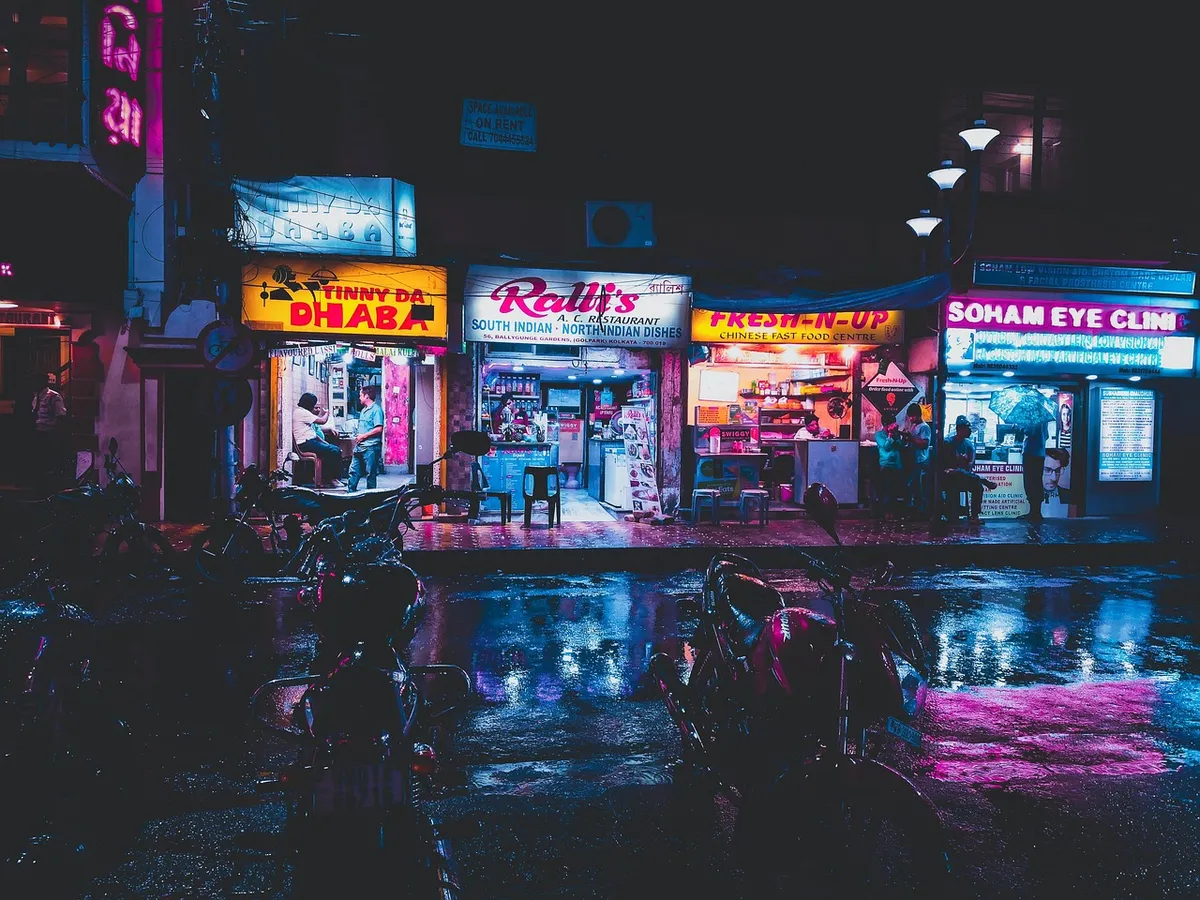
A traveler walks through a crowded night market, the smell of spices heavy in the air as vendors prepare various dishes. Managing city food risks and tips effectively means staying observant of preparation methods and ingredient freshness.
According to a paper from the Food and Agriculture Organization, which reviewed various literatures, there were concerns that private food safety standards could be prescriptive rather than outcome-focused.
This suggests that travelers should look beyond mere labels and observe the actual results of food handling. When you are trying to taste city safely, observing the cleanliness of the preparation area is a vital first step.
Understanding these nuances allows for a better local food travel guide experience. You can enjoy the vibrancy of an urban food scene while minimizing the chance of illness.
- Observe the cleanliness of the dining area and food preparation surfaces.
- Check that food is served at appropriate temperatures.
- Wash your hands frequently before handling any food items.
How can I navigate the local food scene? A diner sits at a small wooden table in a bustling corner of a metropolitan district, watching the flow of people pass by. Navigating the local food scene involves understanding how different culinary traditions interact with modern safety standards.

In some regions, food is a core part of the national identity, much like how the Peruvian Society for Gastronomy was born in 2007 to promote Peruvian food and reinforce national identity. Recognizing these cultural drivers helps you understand why certain foods are prepared in specific ways.
When you are looking for the best places to eat in city environments, these cultural hubs often provide the most authentic experiences.
A successful local food travel guide approach involves balancing these traditions with modern hygiene. You can learn to enjoy the depth of flavor while remaining mindful of how food is handled in high-traffic areas.
Look for establishments with high turnover, as frequent customers often indicate fresh ingredients and reliable quality.
What are the dangers of dining in the city? In the dimly lit alleyway at midnight, I shuddered as the cold wind hit me while eyeing the suspicious food.
A chef quickly plates a dish in a high-pressure commercial kitchen, moving between various heat sources. Urban dining dangers often stem from the high volume of customers and the speed of service required in dense populations.
One specific concern in processed or prepared foods involves salt content. The UK Food Standards Agency defines a high level of salt in foods as more than 1.5 g salt per 100 g, or 0.6 g of sodium. Being aware of these levels can help you manage your intake when dining frequently in cities.
Understanding these metrics is part of learning how to navigate the local food scene. It ensures that your exploration of diverse menus does not lead to unintended health consequences.
Common risks include cross-contamination in crowded kitchens, improper temperature control, and hygiene lapses in high-traffic environments.
How to taste city safely with standard guidelines?
A traveler checks a menu carefully, looking for familiar ingredients before ordering. When you want to taste city safely, understanding the difference between process-based safety and outcome-based safety is helpful.
According to a paper from the Food and Agriculture Organization, there were concerns that private food safety standards could be prescriptive rather than outcome-focused.
Brand owners often choose FSSC 22000 because food manufacturing is a process industry, and ISO 17021 provides a process-based approach to food safety that complements manufacturing.
While these standards are often for large-scale production, the principle of process-based safety is useful when observing how local vendors handle ingredients.
To apply this to your own dining, follow these steps: 1. Observe the temperature of the food being served to ensure it is properly cooked or cooled. 2. Check the cleanliness of utensils and the hands of the staff. 3. Verify that raw and cooked foods are kept separate during preparation. 4.
Perform a final check of the food's smell and appearance before consuming.
I found that observing these preparation steps helped me feel much more confident when trying new street foods.
Stick to hot, freshly prepared meals and avoid raw or undercooked items from street vendors if the refrigeration setup seems inadequate.
Can specific conditions affect food safety?
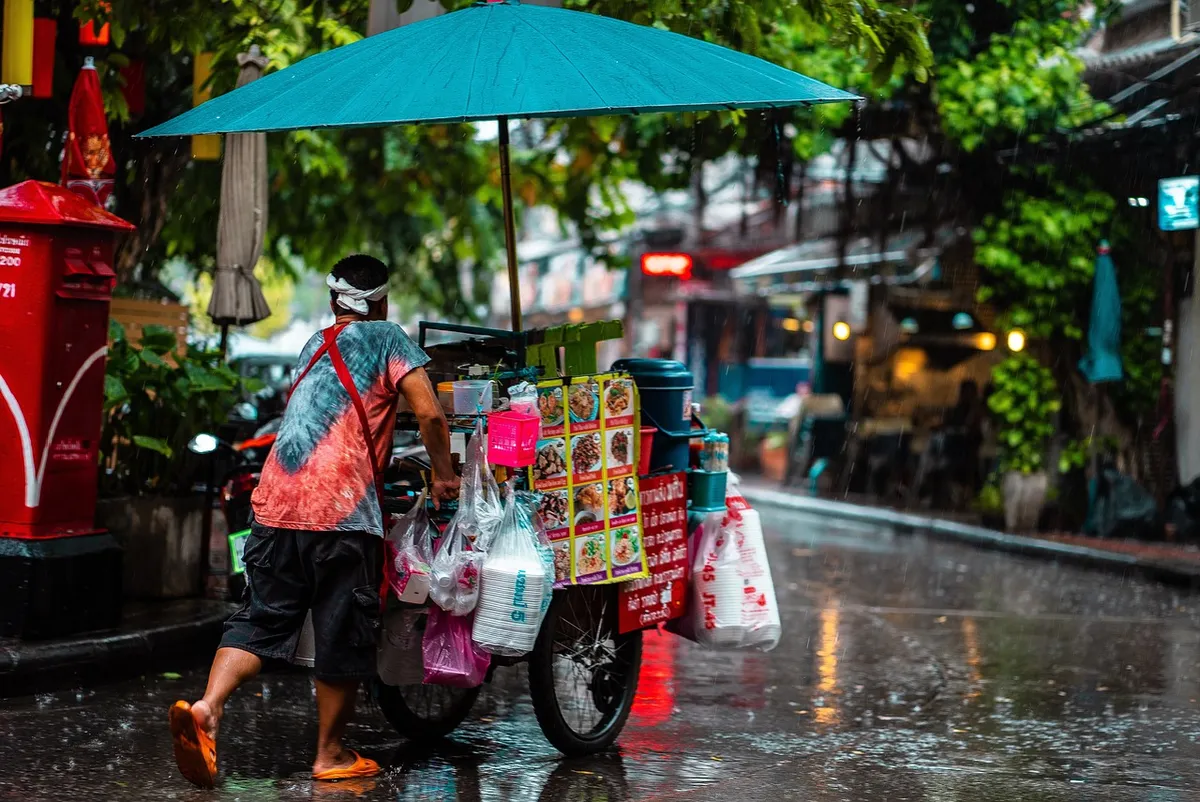
A vendor prepares ingredients in a small stall, where the environment is subject to the local weather. Certain conditions, such as high humidity or extreme heat, can affect how food stays fresh in an urban environment.

The risk of food spoilage can be higher in cities with rapid growth or specific climates. For example, some of the world's fastest-growing cities, such as Batam, Indonesia, or Xiamen, China, may face unique logistical challenges in maintaining the cold chain.
Understanding these environmental factors is part of a complete local food travel guide.
A limitation to these tips is that they cannot account for every unique local variable or specific ingredient reaction.
| Feature | High Salt Definition (UK) |
|---|---|
| Salt per 100g | More than 1.5 g |
| Sodium equivalent | 0.6 g |
Extreme heat or humidity can accelerate bacterial growth, making it vital to ensure that perishable items are kept properly chilled.
Related
- Secret paths in Seoul: Guide to navigating urban growth
- Incheon first visit mistakes: 40 minutes saved guide
How does the heart of a city relate to food safety?
The heart of a city, often found in its kitchens, reflects the constant interplay between deep-rooted tradition and the swift pace of modern urban existence.
When travelers seek to experience this heart of a city through its cuisine, they must simultaneously honor its cultural roots and apply modern health considerations. This dual focus is crucial for a successful and enjoyable culinary journey through a bustling metropolis.
The vibrancy of the city's food scene is inextricably linked to the preparation methods used in its kitchens. These kitchens are the crucible where tradition meets the high-speed demands of a large, transient population.
Therefore, observing the preparation process is as important as tasting the final product.
The density of urban centers often leads to complex supply chains, meaning food travels through many hands before reaching your plate.
What cautions apply when dining in the heart of a city?
The heart of a city presents unique challenges due to the sheer volume of activity in its dining spaces. High turnover rates and the compressed timelines of service are factors that can impact food quality rapidly.
Recognizing these pressures allows diners to make informed choices while experiencing the authentic spirit of the place.
The constant movement of people through a small stall or busy restaurant contributes to the high-traffic environment. This density means that any potential breakdown in hygiene protocols can affect a large number of patrons quickly.
Therefore, situational awareness becomes a key survival skill for the traveler.
The successful navigation of the city's culinary heart depends on balancing the desire for authenticity with the need for personal health security. This balance requires the traveler to act as a critical observer of the entire dining experience, not just the taste.



Comments 0