Copenhagen sustainable design: Tips for active transit
"The goal is not just to live in a city, but to live in a way that allows the city to thrive alongside its people."
Copenhagen sustainable design is built upon a foundation of accessibility, smart transit, and environmental integration that shapes every aspect of daily life.
This guide explores how the city balances climate challenges with urban mobility, the specific transit goals for 2025, and the infrastructure that supports a high quality of life.
How does the city manage urban mobility?
A cyclist pedals through the wind, moving smoothly between dedicated lanes and greenery. Copenhagen aims for a future where 75% of trips are made on foot, by bike, or by using public transit by 2025.
This ambitious target drives the city's layout, ensuring that essential services and recreational areas are reachable through efficient, low-carbon methods. The infrastructure prioritizes human-scale movement over heavy vehicular traffic, fostering a culture of active transit.
The city's transit network is highly integrated, making various modes of travel seamless for residents. Many destinations are located just 15 minutes by bicycle or a few minutes by metro from the city centre.
This proximity allows for a lifestyle where commuting does not require a car, reducing the overall carbon footprint of the population. Such connectivity is a cornerstone of the Copenhagen lifestyle trends that define the region.
The city prioritizes integrated transit networks that connect residential hubs to commercial districts through expanded light rail and dedicated bus lanes.
What role does natural environment play in urban design? Copenhagen sustainable design
I stand at the water's edge in copenhagen at midday, feeling the warm sun on my skin as I watch the waves.
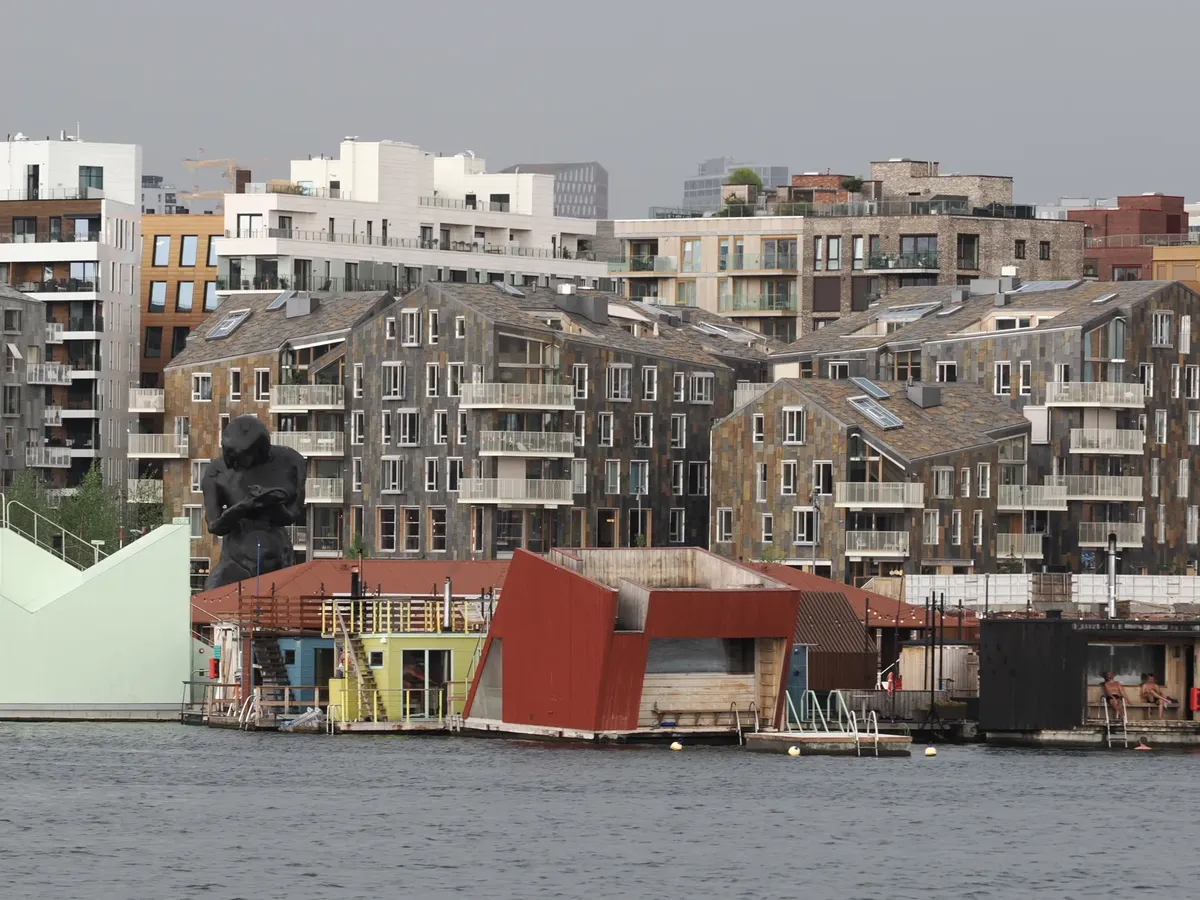
A person walks along a coastline, feeling the breeze from an artificial island designed to provide space for the community. Amager Strandpark, which opened in 2005, is a 2 km (1 mi) long artificial island, with a total of 4.6 km (2.9 mi) of beaches.
The creation of such spaces demonstrates how urban planning can expand usable land while providing essential ecological and recreational benefits. This type of green urban living Denmark exemplifies shows how artificial structures can serve naturalistic purposes.
The design of these spaces must account for the unique climate of the region to remain functional year-round. While the city enjoys a relatively temperate climate, it still faces significant weather shifts.
Copenhagen is approximately 5 °C warmer than the city's latitude would otherwise dictate. This characteristic affects how outdoor spaces are utilized and maintained throughout the seasons.
Urban planning incorporates green corridors and expansive parks to serve as natural lungs and recreational spaces within the built environment.
How does the city handle extreme weather?
A sudden flurry of snow covers the streets, yet the city remains in motion. Exceptional weather conditions can bring as much as 50 cm of snow to Copenhagen in a 24-hour period during the winter months while summer temperatures have been known to rise to heights of 33 °C (91 °F).
Infrastructure must be resilient enough to handle these fluctuations, from heavy snow loads to summer heatwaves. Planning for such extremes is vital for maintaining the Nordic sustainable city standard of reliability.
The ability to manage these temperature swings is a testament to the city's adaptive design. Effective drainage and heating systems ensure that the urban fabric remains navigable regardless of the weather.

This resilience is a core component of the sustainable urban future the city is building. As climate patterns shift, the lessons learned from managing these extremes will inform future projects.
Resilience is built through permeable pavement, advanced drainage systems, and reinforced infrastructure designed to mitigate flood risks.
How is the transition to clean energy being managed?
An electric vehicle glides quietly through a street, merging with the flow of traffic. The city plans that 20–30% of cars will run on electricity or biofuel by 2025.
This shift in the vehicle fleet complements the heavy focus on cycling and public transit. It provides a transitionary layer for necessary motorized travel while reducing local emissions.
The integration of renewable energy and smarter fuel sources is a gradual but steady process. It works alongside the goal of reducing reliance on traditional fossil fuels.
This gradual shift reflects the broader Copenhagen quality of life improvements that prioritize clean air and quiet streets. The transition is part of a wider strategy to decarbonize the city's mobility.
The city is phasing out fossil fuel reliance by incentivizing rooftop solar installations and expanding the electric vehicle charging grid.
What defines the city's international standing?
A traveler looks at a map, noting the city's prominent place on the European stage. In October 2021, Copenhagen was shortlisted for the European Commission's 2022 European Capital of Smart Tourism award along with Bordeaux, Dublin, Florence, Ljubljana, Palma de Mallorca and Valencia.
This recognition highlights the success of the city's smart, integrated approach to urban living. It validates the efforts to blend technology, sustainability, and tourism into a cohesive identity.
The focus on smart tourism suggests a city that is not just living sustainably but is also a model for global visitors. This visibility helps attract talent and investment to the region.
The intersection of smart technology and sustainable design remains a central pillar of the city's identity. It ensures that the city remains a leader in urban innovation.
The city is recognized globally for its ability to balance rapid economic growth with high standards of livability and environmental stewardship.
How can one follow the city's sustainable model?
A resident plans their daily route, choosing between a bike, a train, or a walk. To engage with the city's sustainable model, one can follow these steps:
- Prioritize active transit like cycling or walking for short-distance trips to utilize the existing network. 2. Use the integrated metro and bus systems to navigate longer distances efficiently. 3. Support local green spaces and coastal areas that provide community-focused environmental relief.
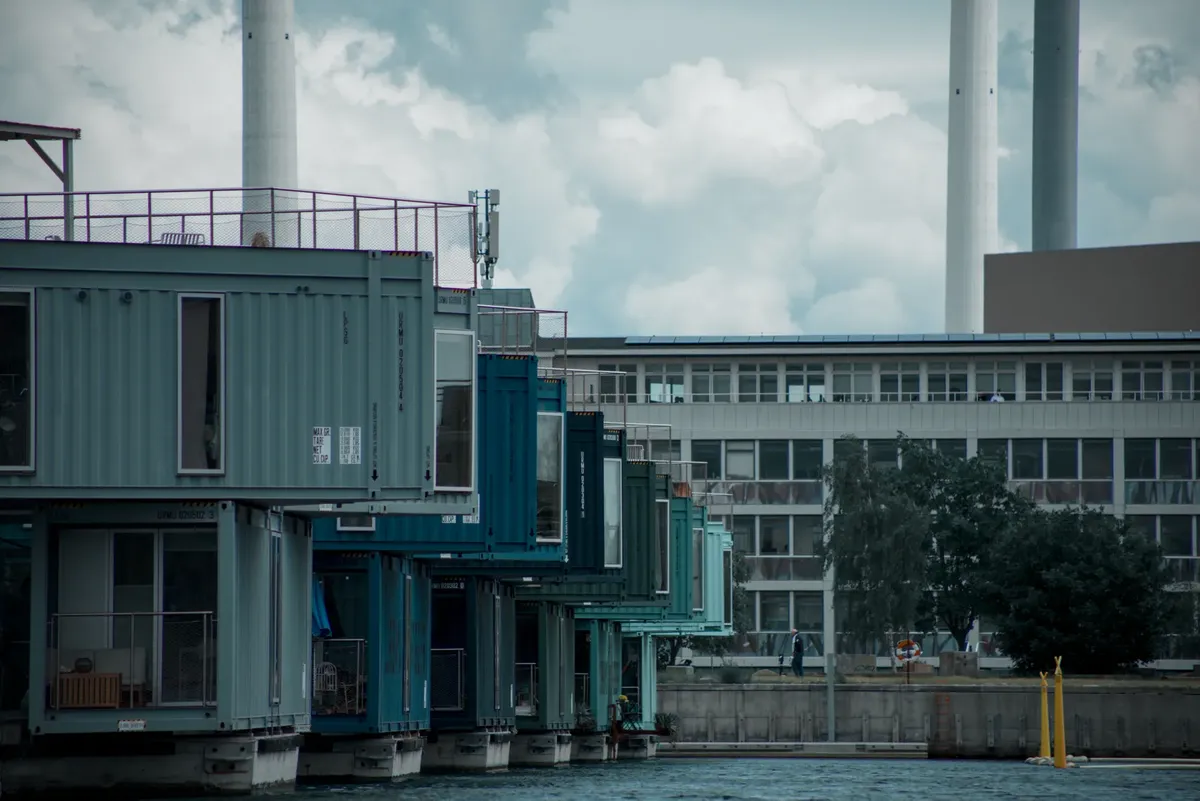
I found that choosing the bicycle for a 15-minute commute was the most effective way to experience the city's layout.
A limitation of these urban strategies is that they are highly dependent on the existing high-density infrastructure and specific geographic layout.
Individuals can adopt the city's approach by following these steps: 1. Utilize public transit and cycling infrastructure for daily commuting. 2. Implement water-saving technologies and energy-efficient appliances at home. 3. Support local green spaces and community-led environmental initiatives.
The subject here is Copenhagen sustainable design.
The same subject is also called Eco-friendly city design.
This part also covers Nordic design influence.
Copenhagen quality of life
Related




Comments 0