Experiencing "daily life" during city travel
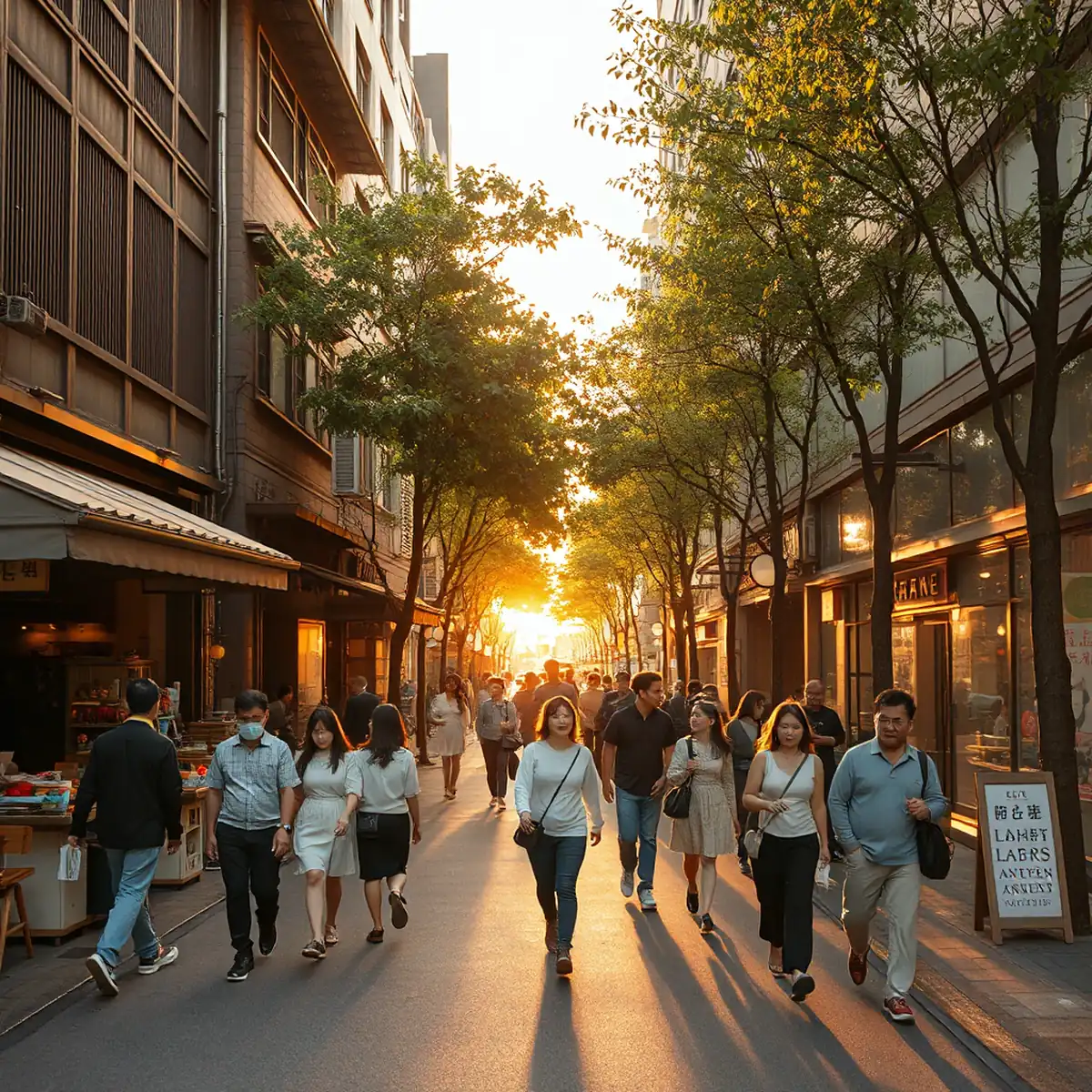
Traveling is more than just taking pictures and visiting attractions. Especially when exploring cities, it's better to view them as "living spaces" rather than just "tourist destinations." This allows for a deeper understanding of the flow of life within them. When we travel to cities, we aim to become a part of everyday life alongside the locals, rather than simply "observing" as tourists. Experiencing "daily life" is the most authentic way to feel a city, offering a qualitatively different journey than simply visiting tourist spots.
1. Sitting at a Local's Table: Food Represents Culture
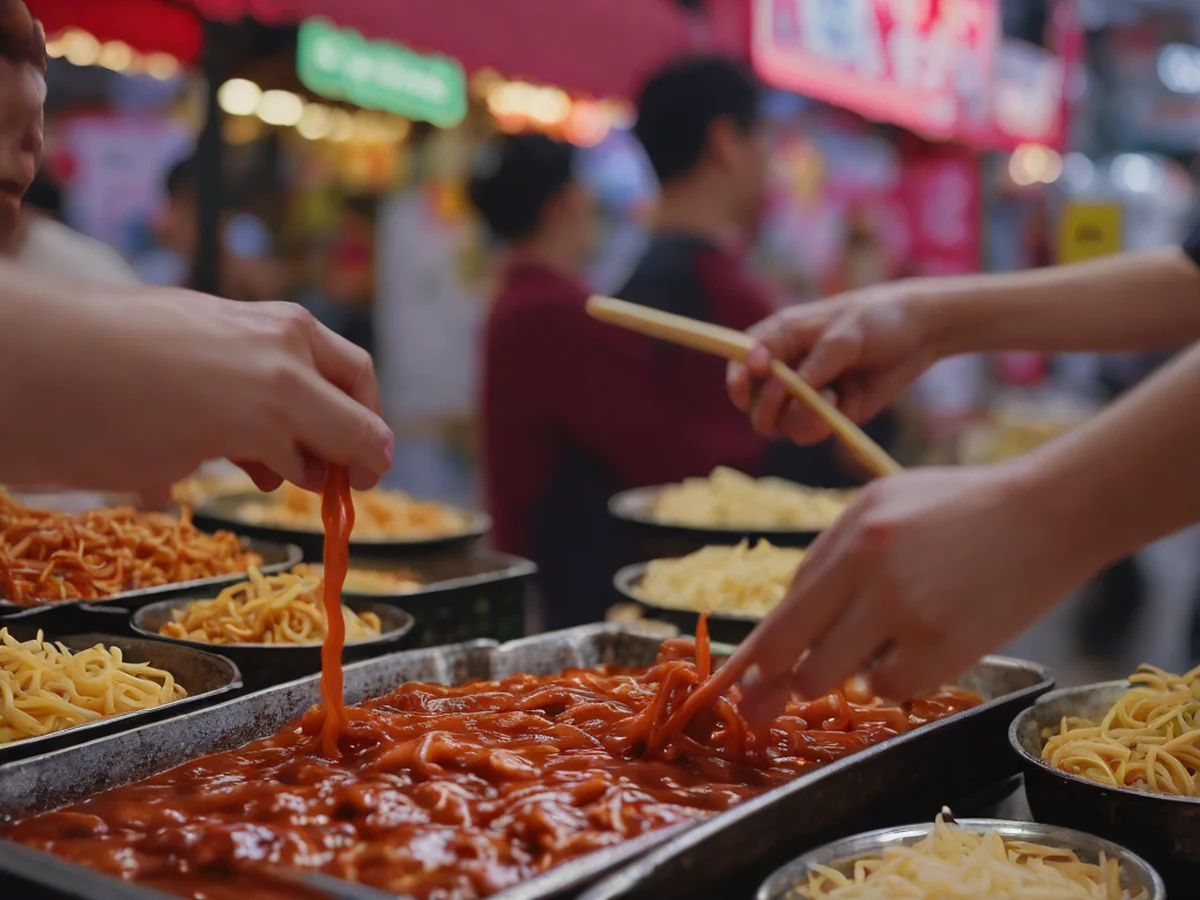
One of the quickest ways to understand a city's identity is through its "food." The person eating noodles in a restaurant, the housewife choosing fruit at the market, the young person walking down the street with a cup of coffee – their actions and attitudes reveal the essence of city life. If we view travel as visiting "countries," in Korea, it might involve going to Jongno to eat kimchi, and a trip to Japan could end with trying onigiri in Osaka. However, when we focus on the "city," it's like seeing a Seoul office worker eating pork trotters and tteokbokki for lunch in Gangnam, a Tokyo office worker having "yakitori" at 9 pm and heading home in Shinjuku, or young people eating mussels and wine on the Cours de Samba in Paris. Food encapsulates patterns of life and the passage of time.
Specifically, it's more insightful to talk about eating "guksu" (noodles) at a 24-hour tteokbokki place near Cheongnyangni Station for breakfast, and discussing the tteokbokki while reading a newspaper, rather than simply viewing tteokbokki as "Seoul's food culture." The various brands of tteokbokki that locals eat, the sincerity and habits behind them, and even the energy of the market are all part of the culture.
2. Feeling the City's Pulse on Public Transportation
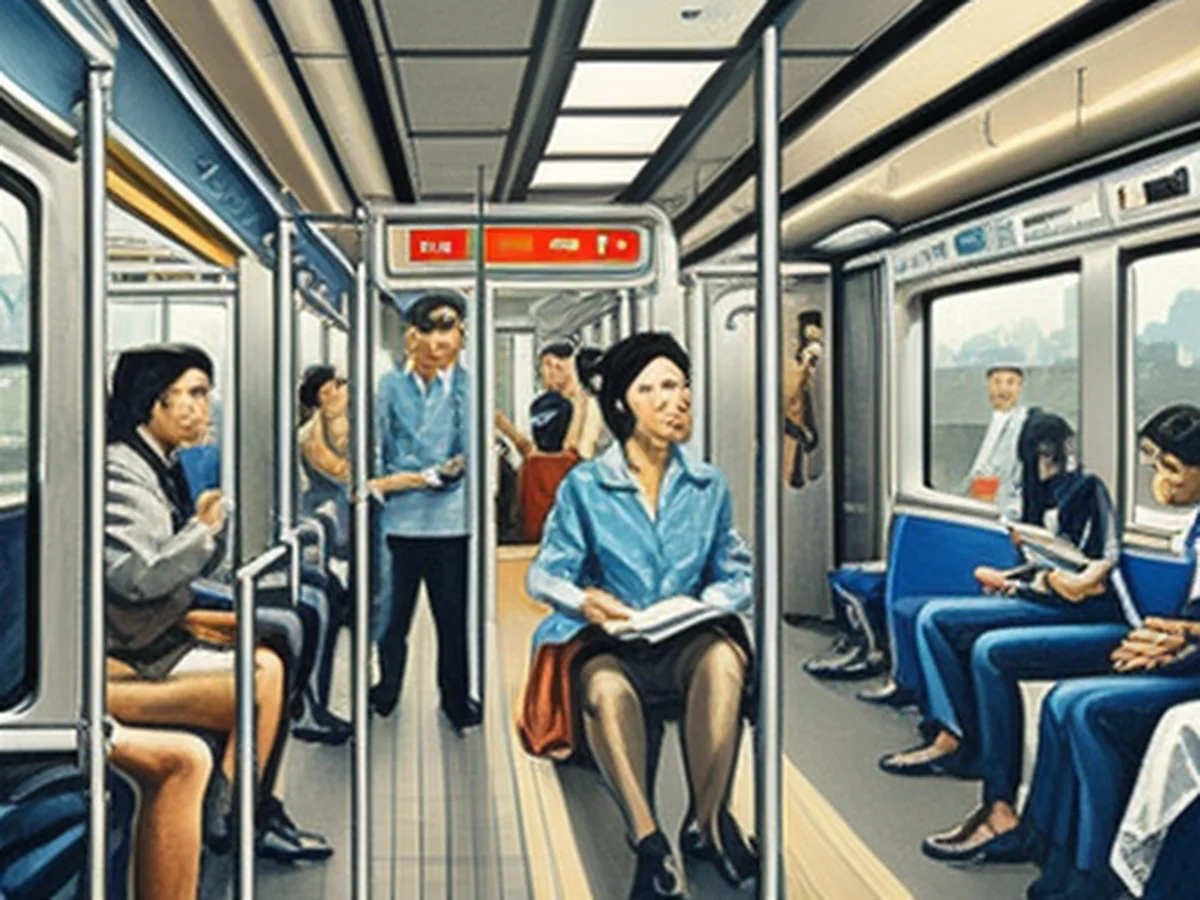
The most common way to travel in a city is by plane, train, or bus from the airport. However, a deeper form of travel comes through experiencing "public transportation." Subways, buses, and taxis are not just modes of transport; they are the "pulse" of the city. The New York City 1 train, for example, shows how city life moves through the crowds at 7 am, 5 pm, and 10 pm.
When using public transportation in a city, you carefully observe the sound of subway doors opening and closing, the conversations of passengers, the music playing, and the rate at which people are getting off. All of this leaves an impression on the traveler: "This is how the city lives." For example, the Rome 30 bus passes through the Villa Borghese park in the morning, among the elderly, and then travels through a quieter area near the market in the afternoon, where you can see young people listening to music.
Furthermore, signs and announcements on the subway, advertisements or posters you see during your journey, all reveal the city's language, tastes, and cultural trends. Some cities frequently use English, while others only use local languages. All of this transforms "travel" into a more meaningful "experience."
3. Writing a Diary on the Streets: Communicating Through Language and Eye Contact
The most important tool for traveling in a city is simpler than a smartphone: your "eyes" and "ears." Conversations with locals are one of the most genuine joys of travel. However, it's more important to be a "temporary resident" rather than just a "tourist."
For example, in a small cafe in Berlin, you order coffee by saying "Guten Tag," and then, with an awkward smile, say "Sie haben ein schönes Café." At that moment, the traveler is perceived not just as a tourist, but as "someone who is alone." These temporary human connections enrich the meaning of travel.
People who have lived in a city for a long time are less "self-conscious" than typical tourists and more naturally observe the people passing by. This is simply a matter of being polite, even if you don't speak the language. Saying "Entschuldigung" in German while politely stepping aside for people, saying "Konnichiwa" in Japan and making eye contact with the clerk, or saying "Excuse me" in New York while asking for directions are all examples of this.
These small interactions build up, and the traveler is seen not as someone "passing through" the city, but as "someone who has temporarily stayed there." This is important no matter where you go. Because the thought of "I am a tourist" no longer dominates, travel transforms from a simple "rest" into a "journey of understanding."
---
Experiencing "daily life" in city travel is not difficult, but it starts with observing the everyday moments that we often overlook. Food, transportation, and conversations – all of these are keys to revealing the true face of a city. Travel is ultimately not about "leaving," but about "understanding each other." And the city is the best place for that.
Quick Comparison
| Aspect | Item A: City Travel Focused on Tourism | Item B: City Travel Focused on Daily Life |
|---|---|---|
| Core Experience | Visiting landmarks, taking photos, completing itineraries | Coexisting with locals, experiencing everyday sensations |
| Primary Means | Airplanes, buses, guided tours | Using public transportation, frequenting markets and cafes |
| Cultural Understanding | Observing from the outside | Feeling and participating from within |
| Human Interaction | Detached interactions as a tourist | Meaningful, brief connections through small talk and politeness |
| Travel Purpose | Documentation and completion, satisfaction of "I've been there" | Mutual understanding and empathy with the flow of daily life |



Comments 0