China megacity population: Guide to urban living trends
A researcher looks at a massive digital map of East Asia, tracing the dense clusters of light that represent millions of lives.
China megacity population trends reflect a massive shift toward urban living as the nation's demographic weight concentrates in specific hubs. These urban centers are defined by their scale and density, often exceeding tens of millions of residents within single metropolitan areas.
Key takeaways: * Megacities are defined by a population threshold of over 10 million inhabitants. *

* Global urbanization trends show that more than half of the world's population lives in cities.
What defines a megacity in China megacity population studies?
A scholar sits in a quiet library, flipping through a report that defines the boundaries of modern urbanism. The term "megacity" provides a clear metric for understanding these massive population centers.
According to the United Nations Department of Economic and Social Affairs (UN DESA) in its "World Urbanization Prospects" report, megacities are defined as urban agglomerations with over 10 million inhabitants.
This threshold separates standard metropolitan areas from the massive hubs that drive global economies. This specific scale of China megacity population growth creates unique administrative and infrastructure challenges.
- Identify the administrative boundaries of the metropolitan area.
- Determine the total resident population within those borders.
- Evaluate the density of the urban core.
How do different organizations classify large urban areas?
Late at night, the planner leans over the desk to compare how each agency views a china megacity population density.
An urban planner examines various international standards to ensure city planning meets global benchmarks. Different agencies use slightly different criteria to categorize the scale of human settlement.
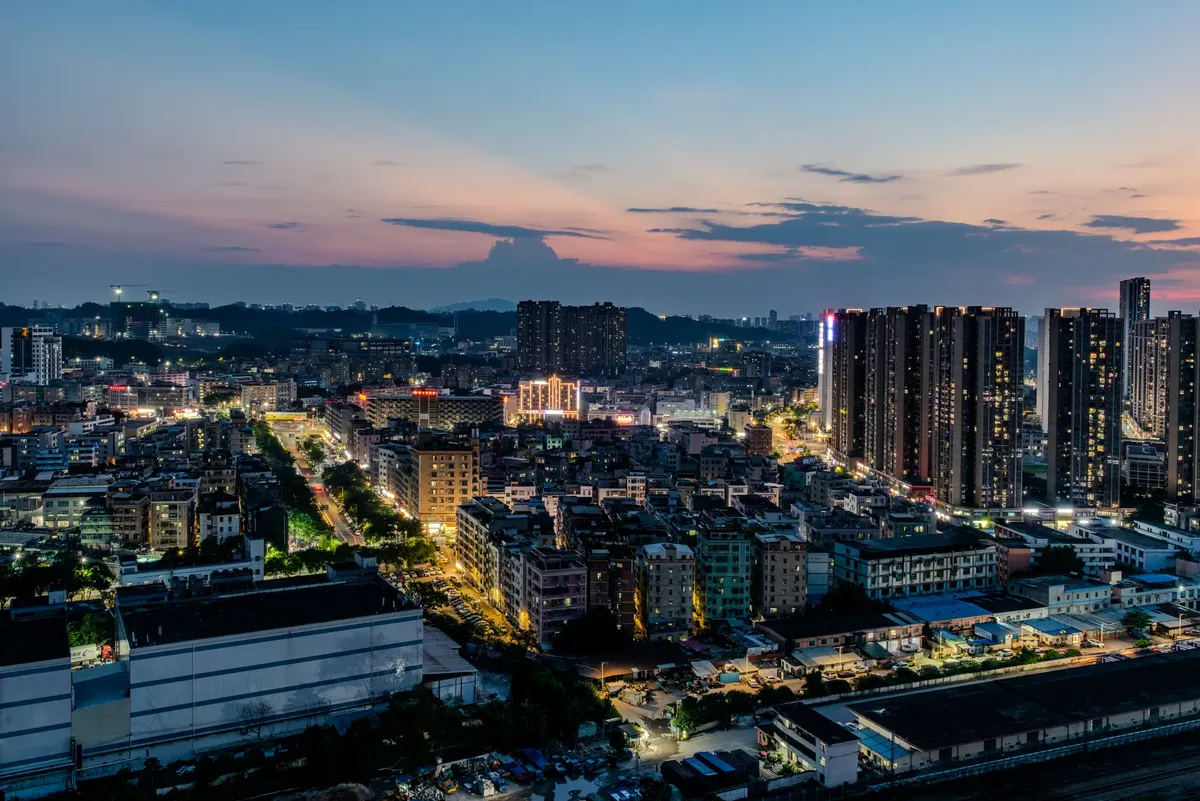
Reports from academics, the European Council, and the Organisation for Economic Co-operation and Development delineate them as metropolitan areas inhabited by more than a total population of 10 million people.
While the threshold remains consistent across these groups, the focus on "metropolitan areas" allows for a broader view of urban sprawl. Understanding these definitions is essential for comparing China megacity population density with other global regions.
In this order, the second step is the longest.
According to International Monetary Fund, the 2026 record includes 1401.7 million.
How has global urbanization changed the scale of cities?
A traveler watches the skyline of a massive city expand toward the horizon, reflecting a world that has moved indoors and toward concrete. The shift from rural to urban living is a fundamental change in human history.
The Population Division of the United Nations Department of Economic and Social Affairs reported in 2014 that, for the first time, more than half of the world population lives in cities.
This shift represents a departure from the historical reality where only 3% of the world's population lived in cities in 1800. As more people move to urban centers, the pressure on infrastructure and resources increases.
What are the demographic realities of China's population?
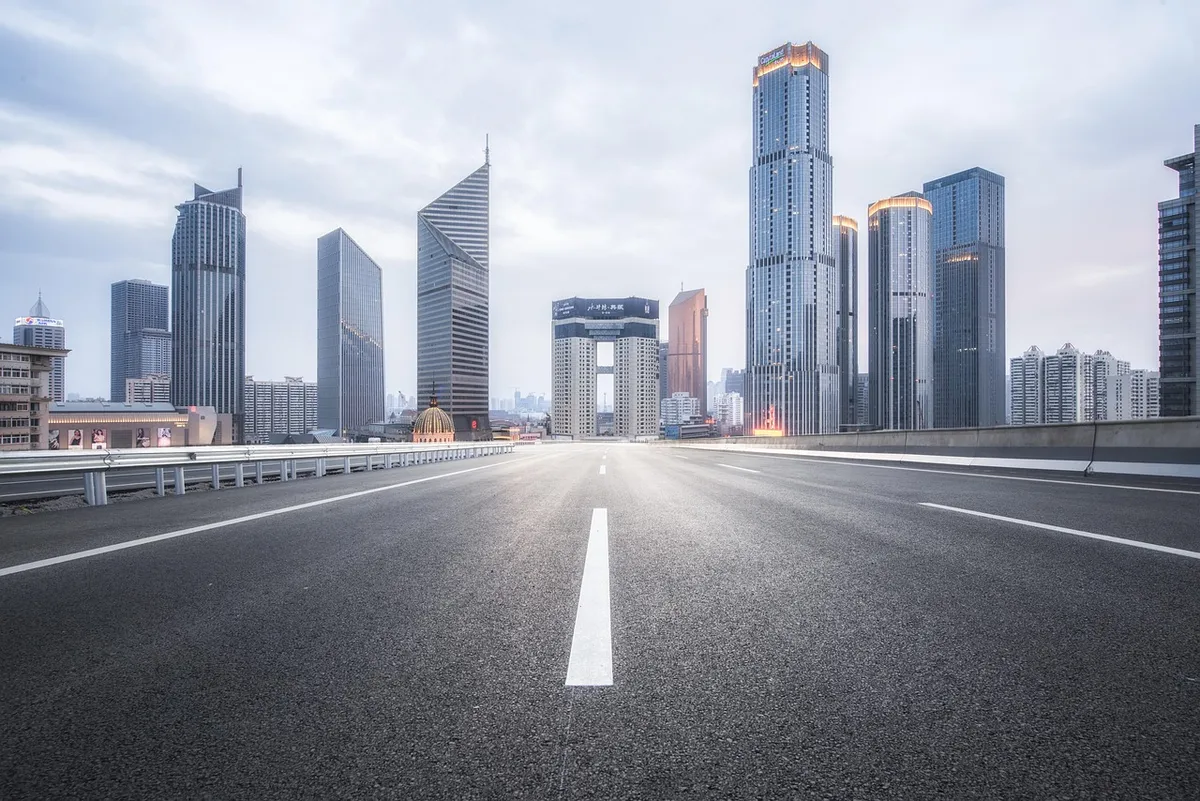
A census worker enters data into a terminal, managing the vast numbers that represent a nation of over a billion people. The scale of the population provides the backdrop for all urban development.
This massive demographic weight ensures that even mid-sized cities can reach megacity status relatively quickly.
The concentration of these people into specific regions drives the rapid development of urban infrastructure.
| Metric | Value |
|---|---|
| China Population (2026) | 1401.7 million |
| Megacity Threshold | >10 million inhabitants |
I compared these figures to understand the sheer scale of the human density involved in these urban studies.
How can we track urban growth and density?
An architect stands on a balcony, overlooking a sea of skyscrapers that stretch as far as the eye can see. Tracking growth requires looking at both total numbers and the density of the living space.
- Identify the total population within the metropolitan boundaries to see if it meets the 10 million threshold. 2. Analyze the density of the urban agglomeration to distinguish between sprawling suburbs and compact cores. 3. Monitor the rate of migration from rural areas to these growing hubs. 4. Final check: Verify that the administrative boundaries align with the recognized megacity definition.
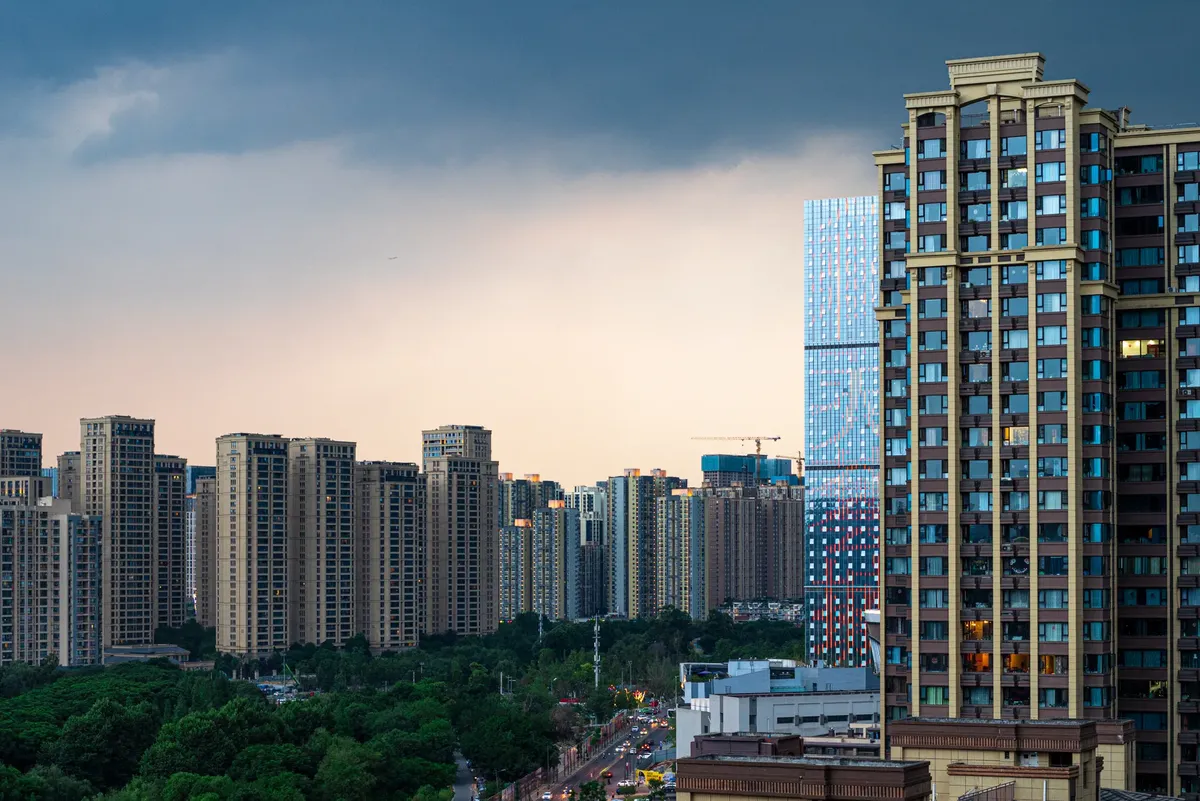
A limitation of these definitions is that they focus on population numbers rather than the physical area or economic output of the city.
The same subject is also called China urban size comparison.
The same subject is also called Major China city analysis.
The same subject is also called China megacity features.
The same subject is also called China city population study.
This part also covers Comparing China megacities.
This part also covers China urban growth trends.
Related
- How did the population density change during the decade?
- NYC immigration history: Arrivals shaped city's density
Why is the population concentration in East Asia so pronounced?
The researcher looks at the digital map, noting that the density of life in East Asia is unparalleled globally. This concentration reflects the massive migration patterns that have driven modern economic development in the region.
The scale of the population supported by these urban hubs strains resources but also drives global economic activity.
This high concentration contrasts sharply with the more dispersed populations found in other parts of the world. The rapid growth seen in these specific hubs is a direct consequence of the nation's overall demographic trajectory.
The sheer volume of people residing in these areas underscores the success and the inherent challenges of rapid modernization.
What is the significance of this demographic shift? The researcher looks at the map, understanding that the concentration of life in these hubs mirrors the nation's economic engine. This massive shift toward urban living is directly tied to the nation's overall demographic weight. The scale of the population supported by these urban centers dictates the pace of modernization.
This rapid development into these specific hubs is a direct result of the nation's demographic trajectory. The sheer volume of people residing in these areas drives global economic activity.
The comparison between the current urban density and the past reality highlights the magnitude of the transformation. The scale of the population underlines the success of modernization while also presenting inherent challenges.






Comments 0