Seoul why it became the world's best metropolis ranking
Seoul has officially claimed the top spot as the world's best metropolis, surpassing heavyweights like Tokyo and Paris.
"The city that captures your heart often becomes the one you can never truly leave."
This recognition marks a turning point for the city, transitioning it from a mere transit hub to a premier global destination.
* Seoul has been named the number one best metropolis in the world by Condé Nast Traveler. * The city surpassed major global hubs like Tokyo and Paris to secure the top ranking. * This guide covers how to navigate the city, what to eat, and how to experience its unique layers.
Why did Seoul overtake Tokyo and Paris?
In the morning I hold seoul and walk through the next step.
Standing at the edge of the Han River as the sun dips behind the N Seoul Tower, the sheer energy of the city becomes palpable. The question of how this metropolis climbed to the top of global rankings is answered by its unique ability to blend hyper-modernity with deep-rooted tradition.
The ranking highlights the city's diverse charm and its ability to offer vastly different experiences within a single urban sprawl.
Travelers are no longer just visiting for a specific landmark; they are coming for the lifestyle, the seamless technology, and the cultural depth that feels both fresh and timeless.
While Paris offers romance and Tokyo offers precision, Seoul offers a kinetic energy that feels uniquely alive. This shift in global perception suggests that the city's infrastructure, safety, and cultural output have reached a peak that resonates with modern travelers.
The city's rapid modernization, combined with its seamless fusion of cutting-edge technology and deep-rooted tradition, has created a unique urban energy that draws global attention.
How do you navigate the city's complex transit?
In the evening I hold seoul and walk through the next step.
Stepping into the bright, fluorescent glow of Gangnam Station during rush hour requires a quick mental map of the underground labyrinth. Navigating this massive capital is a matter of mastering the subway system, which serves as the city's lifeblood.
The transit network is incredibly dense and efficient, making it easy to reach any corner of the city. To get from Incheon International Airport to the city center, the AREX (Airport Railroad Express) is the most reliable method.
Once in the city, the subway system is your primary tool, categorized by color-coded lines that crisscut through every district.
- Purchase a T-money card at any convenience store upon arrival. 2. Use the subway apps to check real-time arrivals and transfer information. 3. Keep a small amount of cash for traditional markets where cards might not be as widely accepted.
I remember my first time trying to find a specific cafe in Hongdae; the subway signage was so intuitive that I felt more confident than I did in many European capitals. Checking your route on a digital map before stepping onto a platform can save you significant walking time.
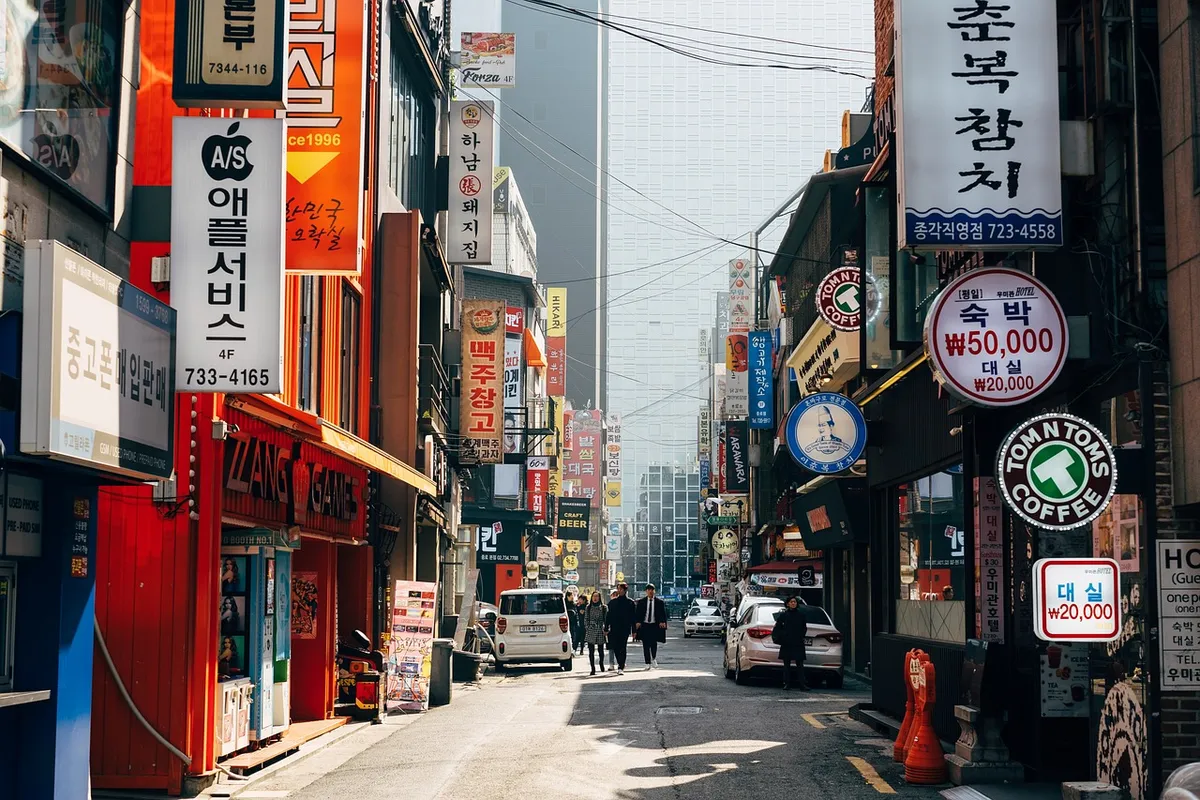
- Purchase a T-money card at any convenience store to cover all subway and bus fares.
- Use a real-time transit app to track exact arrival times and transfer connections.
- Follow the color-coded lines and floor markings to move efficiently through massive underground stations.
What should you eat in the streets of Myeongdong?
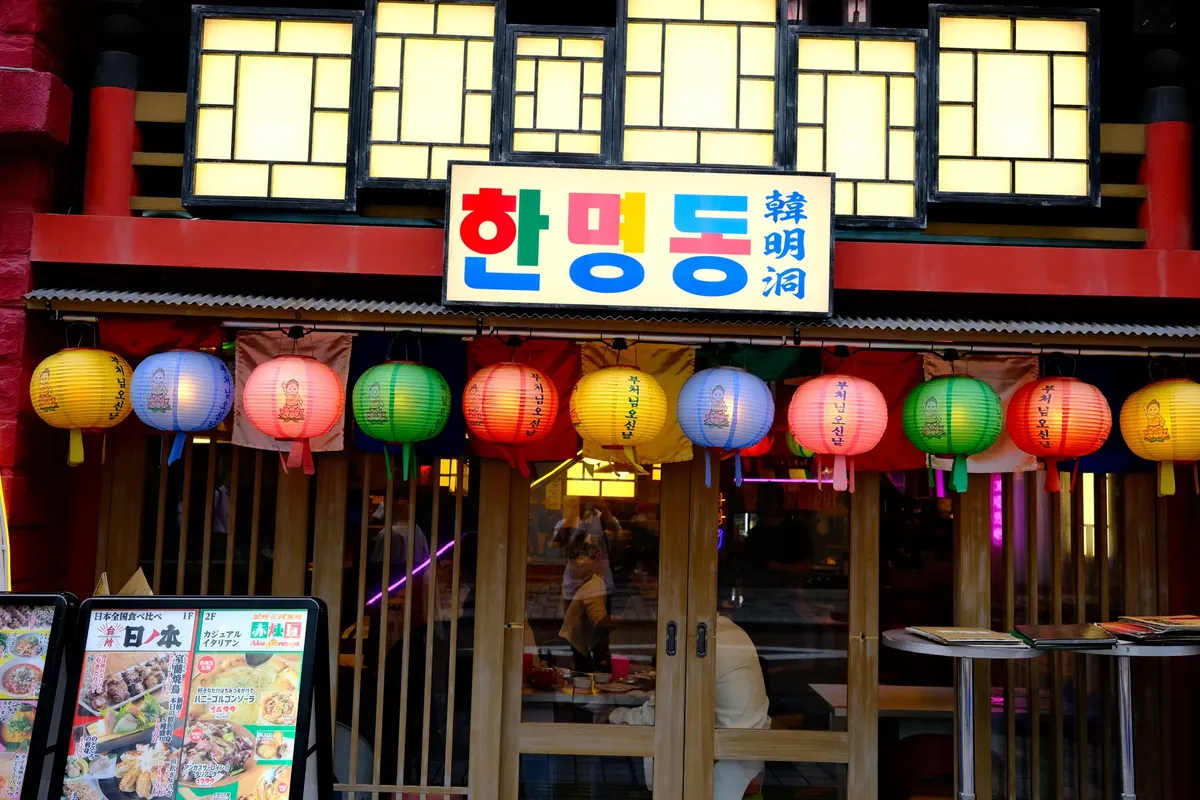
Walking through the narrow alleys of Myeongdong at night, the scent of grilled seafood and spicy rice cakes fills the air. The culinary scene in Seoul is not just about food; it is a sensory overload that defines the city's identity.
The food culture is divided between high-end dining and the vibrant street food scene. From the Michelin-starred restaurants in Cheongdam-dong to the bustling stalls of Gwangjang Market, the variety is staggering.
You can enjoy a sophisticated multi-course meal in the morning and spicy tteokbokki on a street corner in the evening.
| Food Category | Examples | Best Experience |
|---|---|---|
| Street Food | Tteokbokki, Hotteok, Odeng | Myeongdong or Gwangjang Market |
| Traditional | Bibimbap, Bulgogi, Kimchi | Traditional Korean Houses (Hanok) |
| Modern Fusion | Korean Fried Chicken, Fusion Pasta | Hongdae or Itaewon |
Trying a variety of dishes across different districts is the best way to understand the city's palate. Make sure to visit a local market to see how traditional ingredients are still the foundation of the modern diet.
From spicy tteokbokki to grilled lobster tails, the street food stalls offer a concentrated explosion of flavors that represent the heart of Korean snack culture.
Is the city safe for solo travelers?
Walking through a quiet neighborhood in Bukchon late at night, the streetlights cast long shadows on the stone walls, yet there is a sense of security. Safety is one of the most significant factors contributing to Seoul's rise as a top global destination.
The city is widely regarded as one of the safest major metropolitan areas in the world. High visibility, extensive CCTV coverage, and a general culture of respect for public space mean that solo travelers can often wander late into the evening without hesitation.
This level of security allows for a freedom of movement that is rare in other mega-cities.
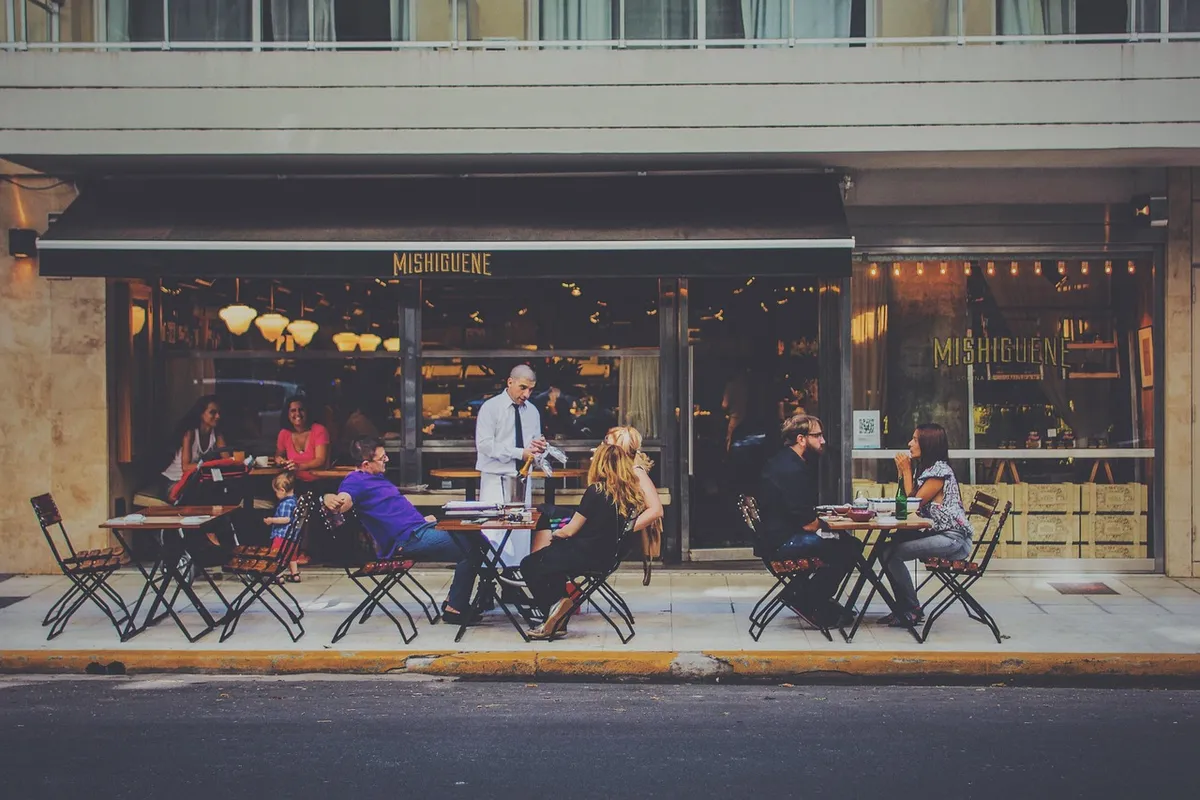
However, it is always wise to stay aware of your surroundings. While violent crime is extremely low, petty theft can occur in crowded tourist areas. Always keep your belongings close when navigating heavy crowds in places like Myeongdong.
With well-lit streets and a low crime rate, the city is widely considered one of the most secure metropolitan areas for those traveling alone.
How do the seasons change the city's vibe?
Watching the cherry blossoms drift like pink snow over the streets of Yeouido is a transformative experience. The seasons in Seoul are distinct and dictate the rhythm of life for both residents and visitors.
Each season offers a completely different personality to the city. Spring brings blossoms and mild temperatures, while summer is hot and humid with sudden rain showers. Autumn provides stunning foliage in the mountain parks, and winter turns the city into a crisp, cold landscape.
* Spring: Visit the palaces to see blossoms against traditional architecture. * Summer: Stay near the Han River to enjoy the breeze and outdoor activities. * Autumn: Hike the city mountains or visit historic sites to see the changing leaves. * Winter: Experience the cold with traditional street snacks and indoor cafe culture.
The weather can change rapidly, especially during the transition from spring to summer. It is best to dress in layers to remain comfortable throughout the day.
The atmosphere shifts from the vibrant cherry blossoms of spring to the snowy, quiet landscapes of winter, offering a completely different aesthetic every few months.
How do you respect the local etiquette?
Sitting cross-legged on a floor mat in a traditional tea house, you realize that etiquette is a subtle but essential part of social interaction. Understanding local customs ensures a smoother and more respectful travel experience.
Korean culture places a high importance on respect, particularly toward elders and hierarchy. While the city is modern, many social nuances are still rooted in traditional values. Being mindful of these small gestures can go a long way in making a good impression.
- Use two hands when giving or receiving items from someone older. 2. Remove your shoes when entering a traditional home or certain restaurants. 3. Keep your voice at a moderate level when using public transportation.
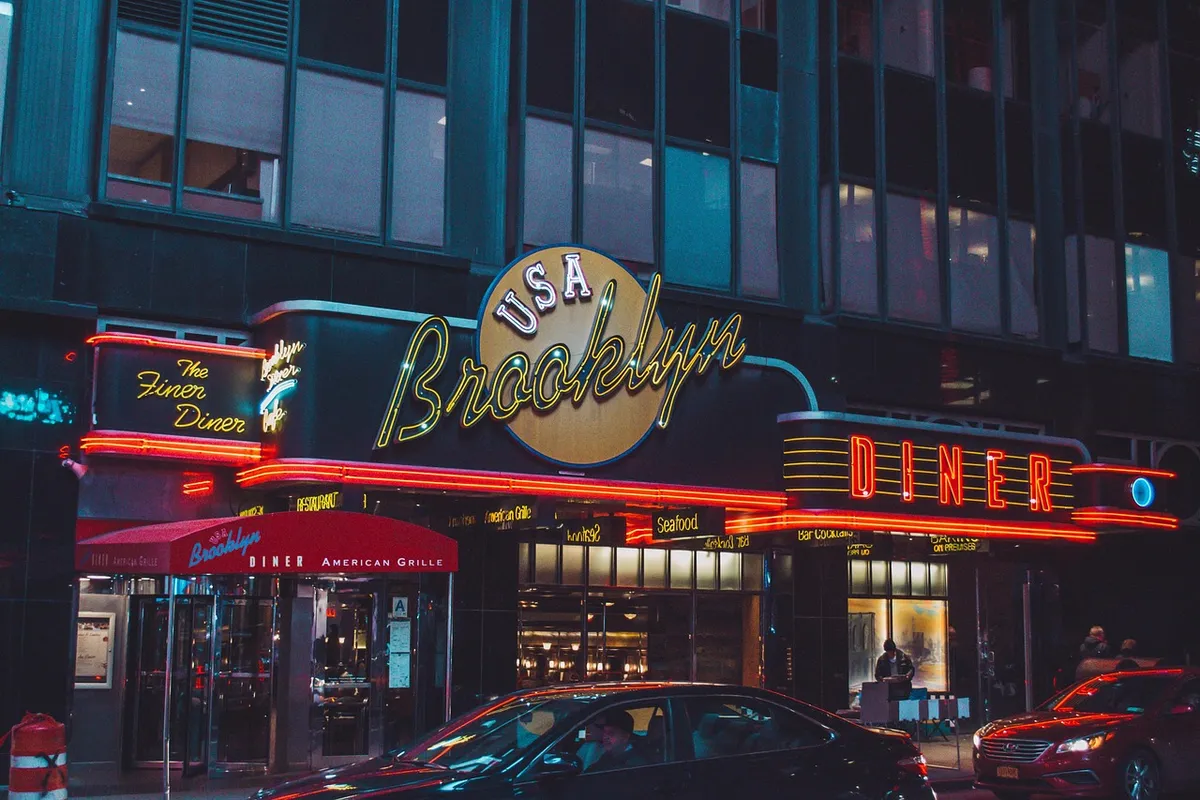
I found that observing how locals interacted in restaurants helped me navigate more formal dining settings more easily. Always look to the people around you for cues on social behavior.
The rapid development of the city means that while it is highly advanced, it remains deeply connected to its roots. This balance is what makes it a premier destination.
One limitation to consider is the extreme temperature fluctuations during the winter months, where temperatures can drop significantly, affecting outdoor activities.
Mindful behavior, such as using two hands when giving or receiving items and keeping noise levels low on public transit, goes a long way in showing respect to the local community.
According to American Constitution Society, the recorded figure is 10.
The record names the year 2012.
When I tried the steps in order, the second one is where I paused longest.
This order does not hold, however, when the figure is not 75%.
Related





Comments 0