Optimizing Living Spaces in the Heart of Seoul
Practical Design Principles and Lifestyle Patterns for Enhancing Quality of Life in Limited Spaces
The Key to Space Efficiency: Clear Function Separation and Smart Storage Solutions
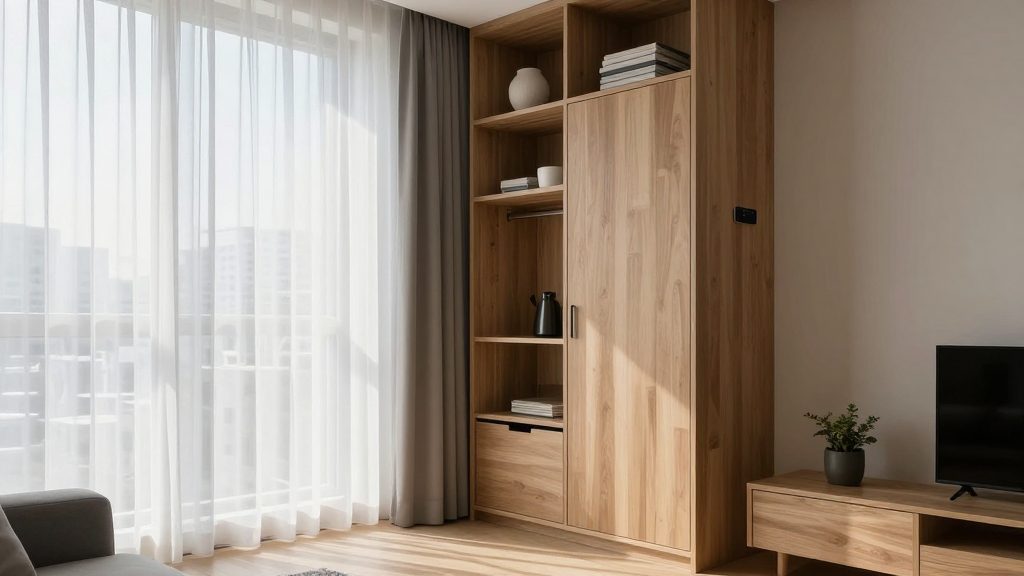
Residential spaces in downtown Seoul typically range from 20 to 40 square meters. To enhance the quality of life within such limited areas, clear functional separation is essential, rather than simply maximizing space. For example, dividing the living area into "daily function zones" and "emergency response zones" can be helpful. Daily function zones typically include activities such as sleeping, cooking, eating, and working, while emergency response zones should be adaptable spaces. For instance, storage units under the bed or foldable tables mounted on walls minimize space usage while maintaining functionality. Furthermore, adhering to the principle of "hidden storage" reduces visual clutter, and an organized space promotes mental well-being.
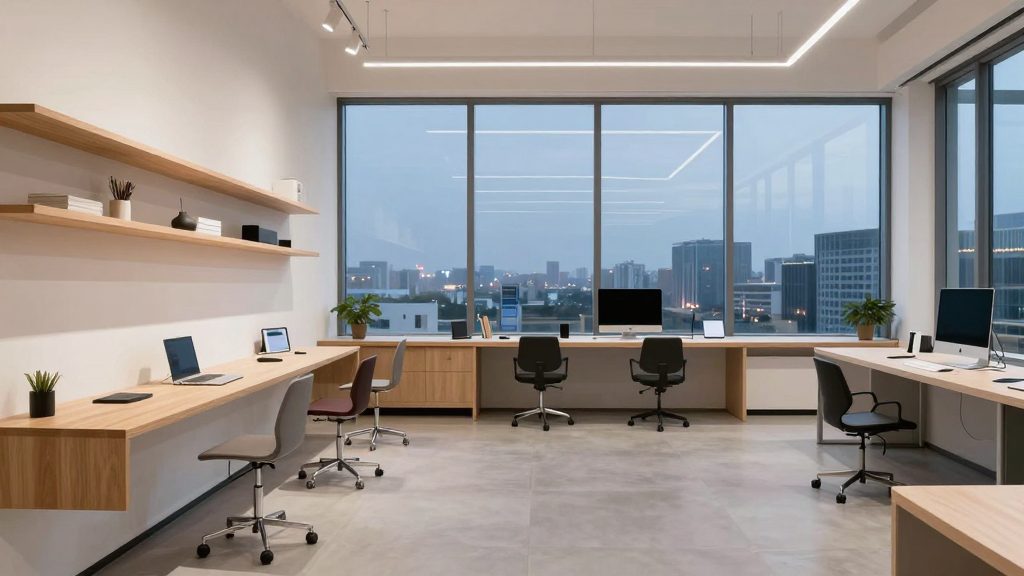
Furniture Selection Criteria: Focus on Multifunctionality, Foldability, and Wall-Mounted Designs
In small homes in downtown Seoul, furniture should be more than just functional items; they should serve as "space management tools." For spaces of 30 square meters or less, multifunctional furniture with built-in storage should be prioritized. For example, a "table lift" bed can be stored against the wall during the day, transformed into a bed at night, and used as a desk or workspace. Similarly, "wall-mounted tables" can be extended vertically when needed and flush against the wall when not in use, occupying minimal space. Furniture should be designed to be "unfixed" and able to quickly appear or disappear as needed. In particular, low-profile structures with a height of 60-75 cm or less are generally more efficient, as they create a sense of spaciousness and allow for better visual flow.
Combining Air Purification and Natural Light: Foundational Strategies for Improving Indoor Environment
In small spaces, the quality of outdoor air and natural light have a significant impact. Downtown Seoul has relatively high pollution levels, making indoor air purification a necessity for a healthy lifestyle. The most basic approach is to optimize natural light and ventilation. Rooms with windows should be ventilated for at least 30 minutes, avoiding prolonged periods of being sealed. It's particularly beneficial to ventilate during the hours of 9 am to 11 am, when outdoor air quality tends to be more stable. While indoor plants can help, it's important to recognize that their initial impact on improving the environment is limited. Instead, using an electric air purifier that may be less effective in temperatures above 26°C during the summer is a more practical solution. For spaces of 30 square meters or less, an air purifier with a flow rate (CADR) of 45 m³/h or higher is recommended. Choosing a model with a filter replacement cycle of 6 months or less ensures a balance between maintenance costs and performance stability.
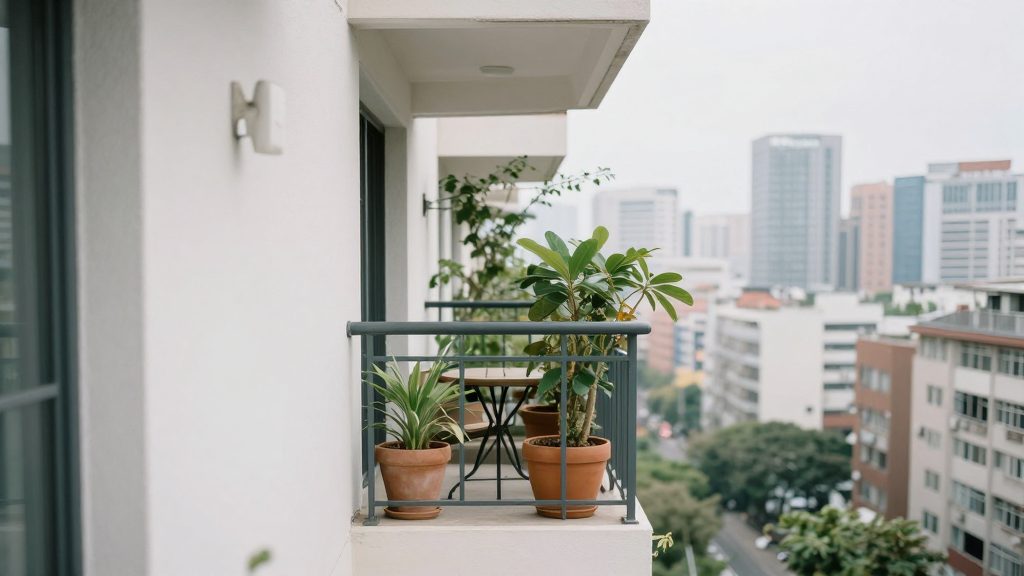
"Visibility" and "Repetition" in Daily Routines: Fostering Emotional Stability in Small Spaces
It's easy to feel stressed even when routines are repetitive in small homes. To prevent this, "visualizing daily routines" is crucial. For example, recording small habits such as waking up at a specific time, opening the window after brushing teeth, or taking a 10-minute break before lunch in a journal or using a smart alarm can increase psychological stability within the space. Furthermore, repeatedly checking your phone in bed at night prevents the brain from transitioning into a "sleep preparation" state, making it harder to fall asleep. Installing an LED light with adjustable brightness next to the bed and switching to a warm color temperature (2700K or lower) after 10 pm can improve sleep quality. Additionally, making it a habit to open the window and look outside for just 5 minutes each morning can help maintain a "connection with nature" even in small spaces. It has been scientifically proven that regular "small cognitive stimuli" contribute to emotional stability, even in small spaces.
Key Takeaways:
- Space Efficiency: Combining functional separation (daily/emergency) and storage strategies can reduce visual clutter and improve space utilization by 30% or more.
- Furniture Selection: Prioritize foldable, wall-mounted, and multifunctional furniture, with a preference for low-profile structures (75 cm or less) to create a sense of spaciousness.
- Environmental Control: For small homes (30 square meters or less), an air purifier with a CADR of 45 m³/h or higher is effective, and consciously maintaining natural light and ventilation cycles (at least 30 minutes per day) improves indoor air quality.
- Emotional Well-being: Visualizing repetitive routines through journals or alarms, and using warm color temperature lighting (2700K or lower) at night to promote a state of sleep preparation – these are the key elements for fostering emotional stability in small spaces.
By applying these principles, it's possible to create a lifestyle pattern that not only maintains the "quality of life" in small spaces but also enhances focus and rhythm. The spatial limitations of downtown Seoul should not be a source of inconvenience. What's important is "how you think" about it, and viewing space not as a "lack" but as a "functional possibility" – a design tool.



Comments 0