Moving beyond the romanticized clichés to discover a city wh
Moving beyond the romanticized clichés to discover a city where deep history meets cutting-edge modern life.
Paris is far more than just a backdrop for postcards; it is a complex tapestry of 20 distinct districts, or *arrondissements*, each offering a completely different vibe. To truly master a trip here, you need to balance strategic route planning with an understanding of the seasonal shifts that dictate everything from crowd density to local shop hours.
* Master the Arrondissements: Understand the shift from the historic core (1st–4th) to the trendy, artistic hubs (like the 18th). * Plan Around the Seasons: Choose between the blooming beauty of spring or the budget-friendly, cozy atmosphere of winter. * Navigate Like a Local: Utilize the Metro and RER effectively while prioritizing pre-booked museum tickets to skip massive lines. * Budget for Inflation: Account for rising European costs by mixing "Plat du jour" lunches with local market picnics.
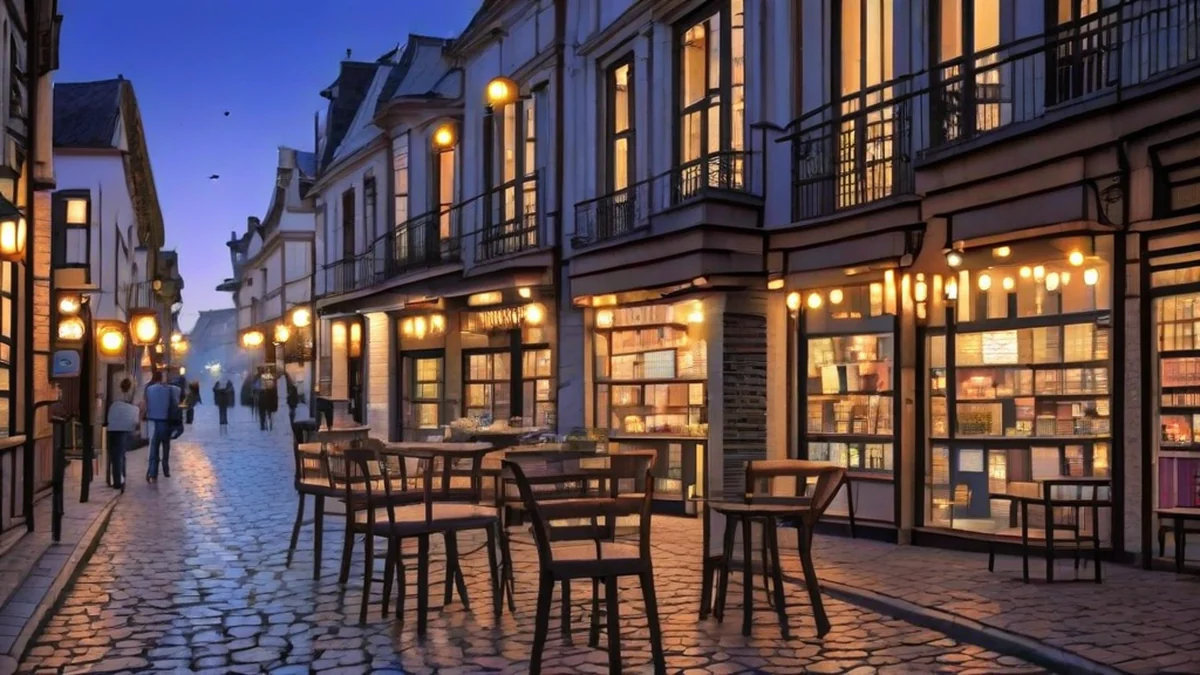
Why is the world still obsessed with Paris?
Paris maintains its status as a global heavyweight because it seamlessly integrates three pillars: culture, gastronomy, and fashion. While landmarks like the Eiffel Tower draw people in, the city's true pull lies in how these elements interact within its unique urban fabric.
The way we consume travel is also changing. According to a recent report from Expedia, there is a tightening link between seeing travel content and making an actual booking; this "shoppable" travel trend is particularly potent in Paris, where a single visually stunning clip of a Montmartre café can trigger an immediate desire to fly across the Atlantic.
I felt this firsthand last autumn while sitting at a small corner table in Saint-Germain-des-Prés. I remember the specific, buttery scent of a freshly baked croissant hitting me just as the golden afternoon light caught the cobblestones. It wasn't just about the food; it was the palpable sense of "living" that surrounded me—an atmosphere you simply can't capture in a static Instagram post.
How do the Arrondissements shape your experience?
Paris is organized into 20 districts that spiral outward from the center like a snail shell. Each zone functions almost like a different city entirely.
1. The Historic & Artistic Core (1st–4th Arrondissements) This is the heartbeat of old Paris. The 1st holds the Louvre, while the 4th contains the Marais district. I highly recommend spending an afternoon wandering the Marais; it’s a perfect blend of aristocratic architecture and modern, high-end boutiques that feels incredibly chic.
2. Intellectualism & Iconic Views (5th–7th Arrondissements) The 5th is home to the Latin Quarter and the Sorbonne, giving it a scholarly, bohemian energy. If you want that classic "Eiffel Tower view" while walking through quiet, upscale residential streets, the 7th is your destination.
3. Bohemian Heights & Local Life (18th–20th Arrondissements) The 18th houses Montmartre. While the view from Sacré-Cœur is legendary, it’s also a high-traffic area where you need to keep a close eye on your belongings. For something more authentic and less "touristy," the 20th offers a glimpse into how Parisians actually live.
What are the best ways to get around?
The Métro is your best friend. It is incredibly dense, meaning you are never more than a few minutes' walk from a station. However, there are two things you must know:
First, grab a Navigo pass. If you are staying for a week or doing heavy transit, it is much more cost-effective than buying individual tickets. Second, understand the difference between the Métro and the RER. The RER is an express train that reaches places like Versailles or Disneyland, but remember that zones matter—taking an RER outside the city center requires a different fare structure.
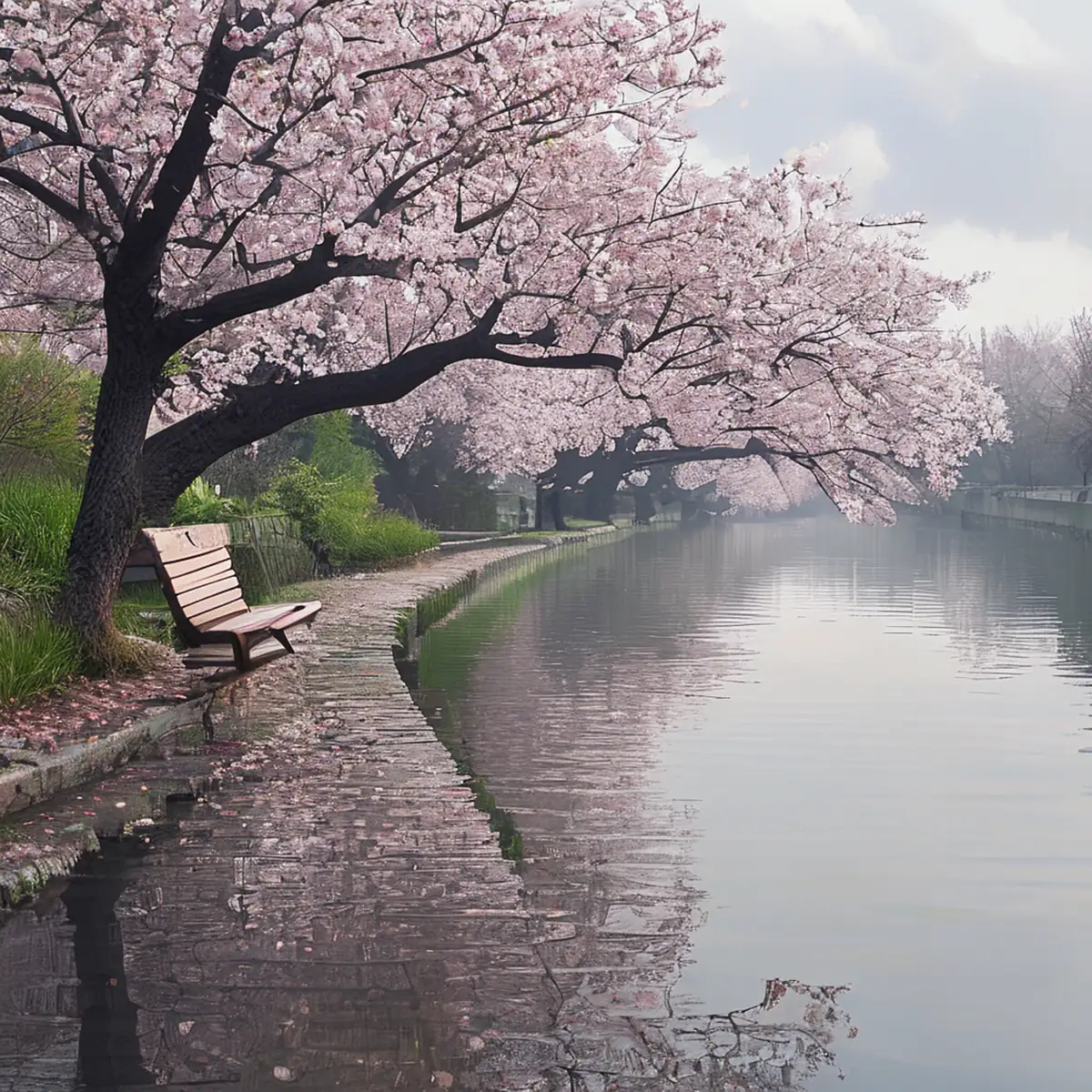
Personally, I find that some of my best Parisian memories came from simply walking. If you walk along the Seine, you’ll see architectural details that you’d miss entirely while underground. Just a tip: if you're visiting in July or August, carry a bottle of water; the heat radiating off the stone buildings can be intense.
When is the best time to visit and how should I budget?
Timing can make or break your experience. There isn't one "perfect" time, but there are strategic choices:
* Spring (April–June): The city is in bloom, especially in the Tuileries Garden. It’s beautiful but busy; book your hotels at least 3-4 months out. * Summer (July–August): Days are long, giving you extra sightseeing hours, but heatwaves can be brutal and many locals head to the coast, meaning some smaller shops might close. * Fall (September–November): This is my favorite for the "moody" Parisian vibe, though you'll need a light jacket and an umbrella for the unpredictable rain. * Winter (December–March): The most budget-friendly time. You get the magic of Christmas markets, but be prepared for damp, chilly weather.
Regarding your wallet, keep in mind that inflation has hit European dining hard. To save money without sacrificing quality, look for the *Plat du jour* (plate of the day) during lunch—it's a fixed-price meal that is significantly cheaper than ordering *à la carte* at dinner. You can also visit local markets like Monoprix to grab some high-quality cheese and wine for a picnic by the river.







Comments 0