Education: 120 institutions guide to NYC schools
"More than a million students, the highest number of any city in the United States, are enrolled in New York City's more than 120 higher education institutions, with nearly a quarter million in the City University of New York (CUNY) system alone as of 2025."
The educational landscape of New York City is defined by a massive scale of enrollment across a vast array of institutions. This complex environment includes over 120 higher education centers serving a diverse student body.
Key takeaways include the immense size of the student population, the significant role of the CUNY system, and the density of academic infrastructure within the city.
How large is the NYC public private education landscape?
A researcher sits in a quiet corner of a library, surrounded by stacks of academic journals and maps of the city's sprawling campus layouts. The sheer volume of the NYC public private education network is evident when looking at the sheer number of learners.
According to Wikipedia, more than a million students are enrolled in New York City's more than 120 higher education institutions. This vast enrollment represents the highest number of any city in the United States.
The scale of this system is particularly visible in the public sector. For example, the City University of New York (CUNY) system alone accounts for nearly a quarter million students as of 2025.
This concentration of learners drives the constant movement and energy found throughout the city's academic districts.
However, these broad metrics may not reflect the specific nuances of smaller, specialized micro-neighborhoods.
What actually makes NYC schools diverse? As I walk through the bustling plaza at noon, the vibrant sounds of various languages remind me of the deep diversity within our education system.
An administrator reviews enrollment data, noting the various backgrounds and paths that lead students to different campuses across the five boroughs. The NYC school system diversity is a byproduct of the city's massive and varied population.
The diversity of the student body reflects the broader demographic complexity of the city. With a population estimated at 8,584,629 in July 2025, the student population mirrors the density and variety of the people living within the 300.46 square miles of the city.
This variety ensures that the educational infrastructure serves a wide range of needs and interests. The coexistence of various institutional types creates a unique environment where different learning styles and academic goals meet.
This overview does not account for the specific demographic shifts occurring within individual classrooms.
How does the Public private education NYC structure work?
A student walks between a historic brick building and a modern glass facility, transitioning between different types of learning environments. The interplay between different types of schools creates a unique educational ecosystem.
While the public sector provides massive scale, the private and specialized sectors offer targeted academic paths. This balance allows the city to accommodate a massive number of learners with varying requirements.
The presence of over 120 higher education institutions ensures that there is a wide variety of specialized programs available. This density of choice is a hallmark of the city's academic identity.
- Identify the distinction between public and private governance.
- Analyze the funding models for each sector.
- Evaluate the regulatory oversight applied to different school types.
How does NYC's school infrastructure impact the city? An architect examines blueprints for a new campus, considering how the buildings will fit into the tight urban fabric. The NYC school infrastructure must navigate the challenges of a highly dense metropolitan environment.
Because New York is the most densely populated major city in the United States, the physical space for education is often tightly integrated into the urban landscape. This requires innovative use of space and careful planning.
The infrastructure must support a population that is constantly evolving. The sheer number of institutions reflects a long-standing commitment to maintaining a robust educational foundation for its residents.
In this sequence, the second point regarding physical facilities is the most detailed.
What are the implications of the NYC education landscape?
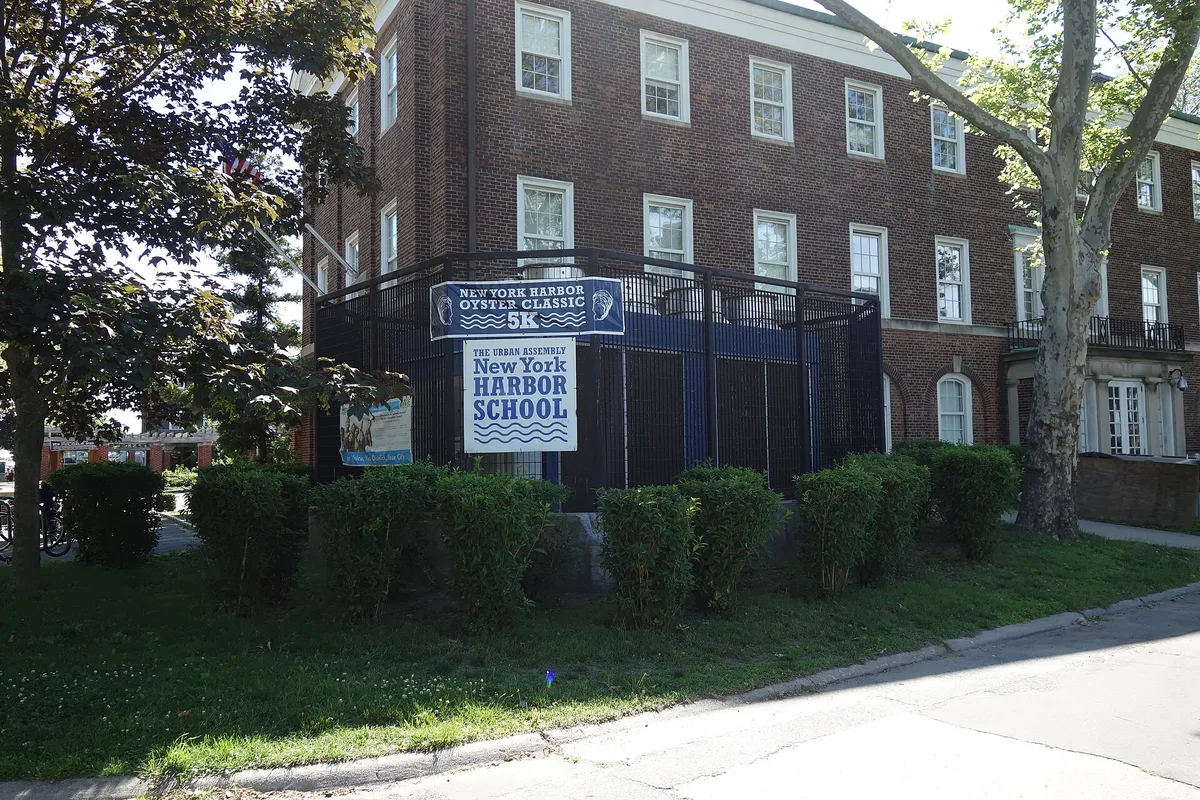
A graduate looks out over the city skyline from a rooftop terrace, reflecting on the years spent navigating the various campuses. The NYC education landscape offers both immense opportunity and significant logistical complexity.
The massive scale of the student body means that resources and accessibility are constant points of focus. The distribution of institutions across the city provides localized access for many, though the sheer size remains a challenge.
The educational environment is a primary driver of the city's social and economic vitality. With so many learners, the academic sector is a central pillar of the city's daily life and future growth.
These implications may not apply to families living outside the five boroughs.
The same subject is also called NYC education contrast.
This part also covers NYC public school reality.
This part also covers Private school role NYC.
Related
- NYC racial composition change: How groups shape city's tips
- Vacancy rates reflect Manila mayoralty politics guide
What are the primary comparisons in the student population?
Comparing the scale of the student body reveals the unique position of the city. The enrollment of more than a million students in the city is compared to other metropolitan areas, where this figure represents the highest number of any city in the United States.
One can compare the public sector to the total landscape. While the city hosts over 120 higher education institutions, the CUNY system alone accounts for nearly a quarter million students, showing a significant concentration of the total student population within a single public system.
This comparison does not include transient student populations that move frequently between districts.
What conditions define the urban educational environment?
The density of the city creates specific conditions for the educational infrastructure. Because the city is the most densely populated major city in the United States, the physical space for the more than 120 institutions must be integrated into a tight urban fabric.
These conditions require that the infrastructure supports a population of more than a million students. The coexistence of various institutional types ensures that the diverse needs of the student body are met within the 300.46 square miles of the city.



Comments 0