Seoul top city reasons: Why Seoul is top city
"The history of a city is written in its boundaries, its heritage, and the density of its people."
Seoul stands as a massive metropolitan hub defined by historical depth and significant population concentration. This analysis explores why Seoul ranks highest in regional importance by examining its physical expansion, cultural heritage, and demographic shifts.
Key takeaways include the city's massive scale relative to its original size, the preservation of UNESCO World Heritage Sites, and the increasing concentration of the national population within the capital area.
How did the city expand to its current size?
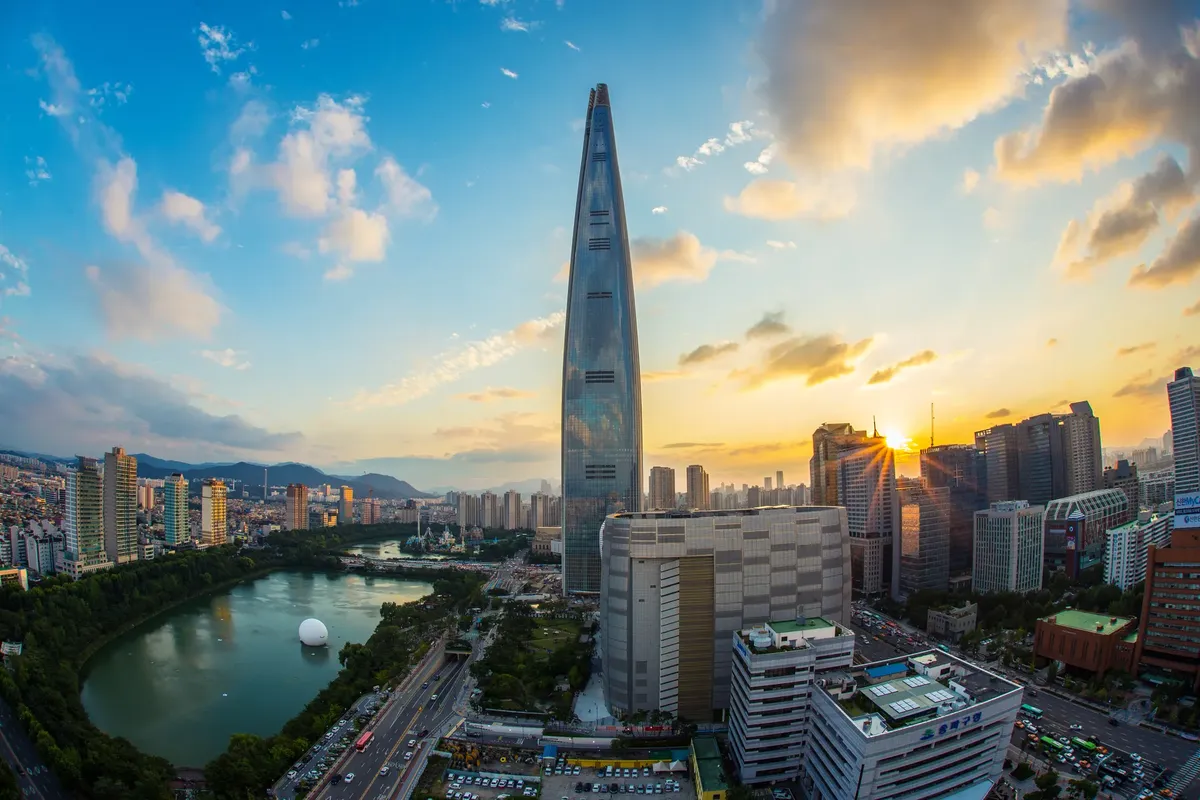
A surveyor looks over a map where the original boundaries of the city once stood much tighter against the surrounding mountains. The two consecutive expansions more than doubled the size of Seoul from approximately 268 km2 (103 mi2) to 613 km2 (237 mi2).
This growth transformed the landscape from a smaller urban center into a sprawling metropolis.
The physical footprint of the city has changed drastically over time through these expansion efforts. Seoul proper comprises 605.25 km2 (233.69 sq mi), with a radius of approximately 15 km (9 mi), roughly bisected into northern and southern halves by the Han River.
This geographic layout provides a unique structure for urban living.
The scale of the city changed significantly through these historical shifts. I remember looking at old maps where the current metropolitan area seemed almost nonexistent compared to the modern sprawl.
The expansion process ensured that the city could accommodate a growing population while maintaining its core identity.
What makes the cultural heritage so significant? Why Seoul is top city
A traveler walks through the gates of a quiet palace, feeling the weight of centuries of history in the still air. Within the Seoul Capital Area lie five UNESCO World Heritage Sites: Changdeakgung, Hwaseong Fortress, Jongmyo, Namhansanseong, and the Royal Tombs of the Joseon dynasty.
These sites anchor the city's identity in the past.
The presence of these sites provides a deep cultural foundation for the modern metropolis. These landmarks represent a continuous link to the Joseon dynasty and the architectural mastery of previous eras. Such heritage ensures that the city is not just a modern hub but a living museum.
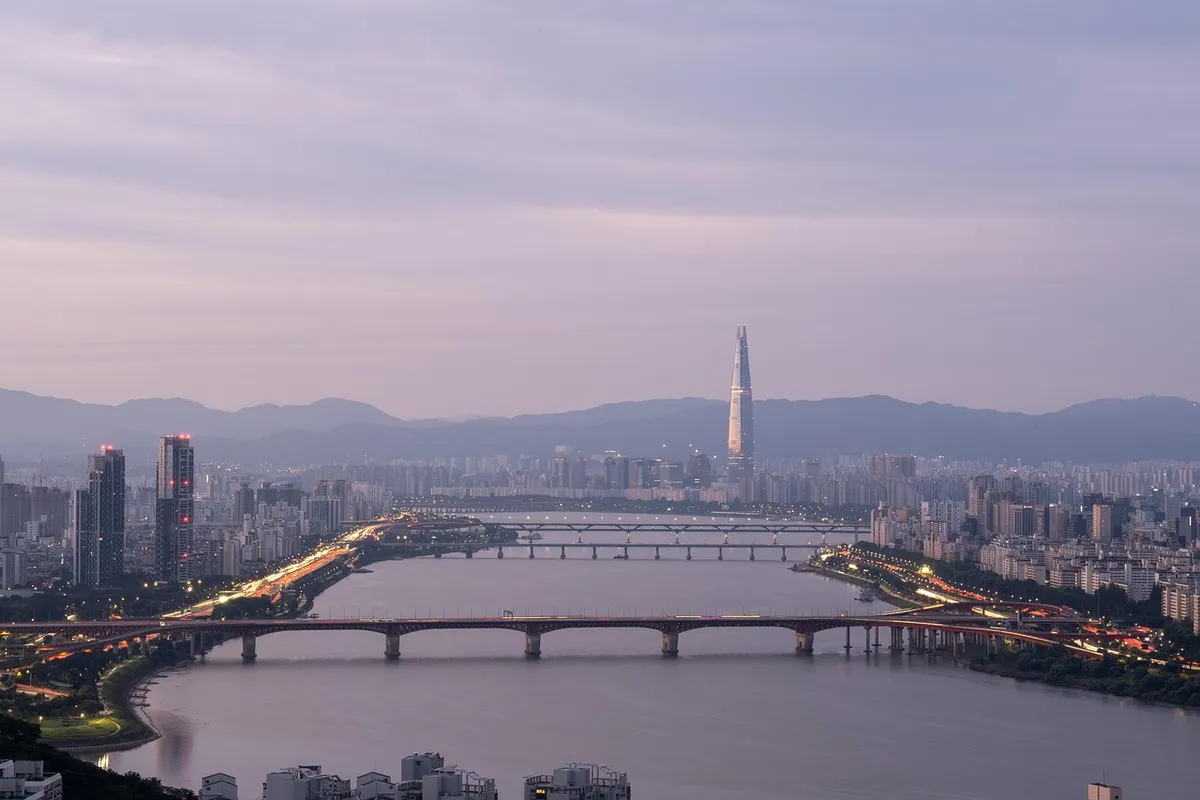
Cultural preservation remains a priority amidst rapid urbanization. The coexistence of modern skyscrapers and ancient fortresses creates a unique atmosphere. This blend of old and new is a primary reason why Seoul ranks highest in terms of cultural richness among global cities.
Why is the population so concentrated in the capital?
A commuter stands on a crowded platform, watching the massive flow of people moving through the transit hubs.
This represents a massive portion of the nation living in one area.
The concentration of people in the capital has shown a distinct trend over the last decade. This was up by 0.7% from 49.1% in 2010, showing a distinct trend toward the concentration of the population in the capital. This movement reflects the economic and social pull of the metropolitan center.
The demographic shift highlights the central role of the city in national life. As more people move toward the center, the infrastructure must adapt to higher densities. This concentration is a core part of the Seoul top city reasons, driving innovation and economic activity.
How does the climate affect urban life?
A resident closes the windows tightly as the summer heat begins to rise outside. Seoul has a humid continental (Köppen: Dwa) or humid subtropical climate (Cwa, by −3 °C or 26.6 °F isotherm), influenced by the monsoons; there is great variation in temperature and precipitation throughout the year.
This variability requires seasonal lifestyle adjustments.

The weather patterns can be intense, especially during the peak of the summer months. Heat index values can surpass 40 °C (104.0 °F) at the height of summer. These temperature swings define the rhythm of life for those living in the metropolitan area.
Managing the climate and air quality is a constant task for urban planners. Despite these challenges, the city manages to maintain a high quality of life. Understanding these environmental factors is essential for a complete best metropolis analysis.
How has air quality improved over time?
A person takes a deep breath during a clear morning walk in a city park.
Between 2005 and 2021 annual concentration levels of small particulate matter (PM10) fell by 30-40 % in Seoul, whilst concentrations of larger particulate matter (PM 2.5) in the same period fell by 19% across the country and more in Seoul and Gyeonggi.
This shows a significant improvement in air quality.
The reduction in particulate matter reflects successful environmental management and technological shifts. While the city remains dense, the air is becoming cleaner compared to previous decades. This progress is vital for the health of the millions living in the area.
Improved air quality is a major milestone in the city's development. It demonstrates that growth does not have to come at the cost of environmental health. This trend is a key component of the Seoul global city status.
How does the city manage its massive size?
An urban planner reviews a digital model of the city's transit and infrastructure networks. The urban layout is largely defined by the natural geography and the river that splits the city. This balance between nature and construction is a constant focus for management.
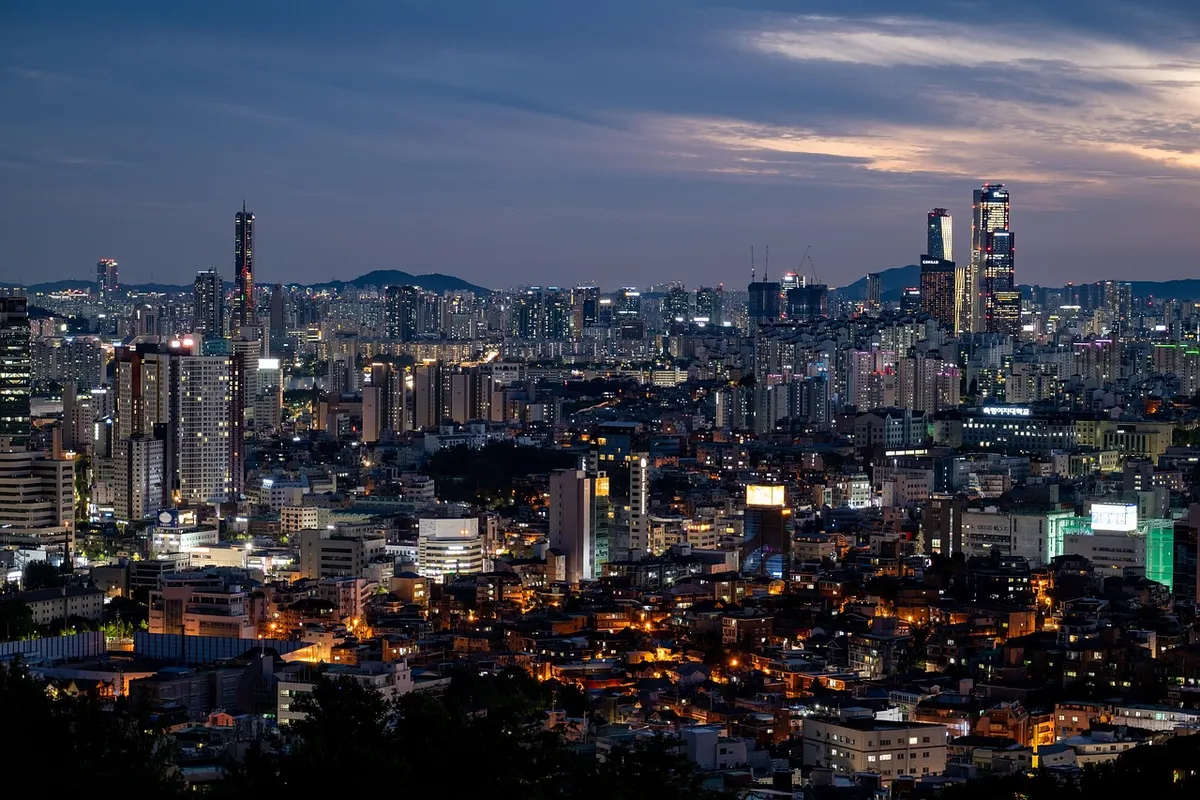
The sheer scale of the city requires organized planning to prevent chaos. The expansion allowed for controlled growth, even as the population density increased. This management is a part of the Seoul urban development history.
The city's ability to function at this scale is a testament to its infrastructure. Maintaining such a large area requires constant attention to transit and services. This capability remains a central part of the Seoul excellence analysis.
- How did the city expand to its current size?
- What makes the cultural heritage so significant?
- Why is the population so concentrated in the capital?
The subject here is Why Seoul is top city.
This part also covers Global city ranking factors.
Seoul urban development
Related



Comments 0