NYC library education role: Vast holdings serve urban needs
"The largest collection of any public library system in the United States resides within the New York Public Library."
The New York City public library network represents a massive scale of intellectual resources designed to support a diverse urban population. This system includes the largest collection in the country and the nation's second-largest system in Queens, providing a foundation for lifelong learning.

This article examines the scale of these collections, the distribution across boroughs, and the educational role of these institutions.
How large is the NYC library education role?
A researcher sits at a heavy oak desk, turning the pages of a thick volume retrieved from a vast archive. The sheer volume of knowledge available to the public is staggering.
The New York Public Library (NYPL) holds the largest collection of any public library system in the United States. This massive repository serves as a primary pillar for the NYC library education role by providing unprecedented access to historical and contemporary texts.
The scale of the system is distributed across various boroughs to ensure broad accessibility. For instance, the Queens Borough Public Library (QPL) stands as the nation's second-largest public library system.
This distribution ensures that a library knowledge network remains accessible to millions of residents across the city.
The role involves coordinating across multiple boroughs to provide educational scaffolding for various age groups.
What defines the library knowledge network?
A student walks through a quiet reading room, scanning rows of books that stretch toward the ceiling. The vastness of the shelves represents a deep well of information.
The strength of a library knowledge network lies in its diversity and the breadth of its holdings. The New York Public Library (NYPL) maintains the largest collection of any public library system in the United States, offering a massive scope of study.
This urban learning resource provides specialized materials that cater to various academic and personal interests. Because the system is so expansive, it functions as a vital tool for both local students and researchers.
The sheer quantity of titles ensures that much of the world's recorded knowledge is within reach of the public.
The network functions through the interconnectedness of physical branches and digital access points.
How does the system serve an urban learning resource?
A community member searches through digital catalogs on a terminal, looking for a specific historical record. The intersection of physical books and digital access defines modern research.
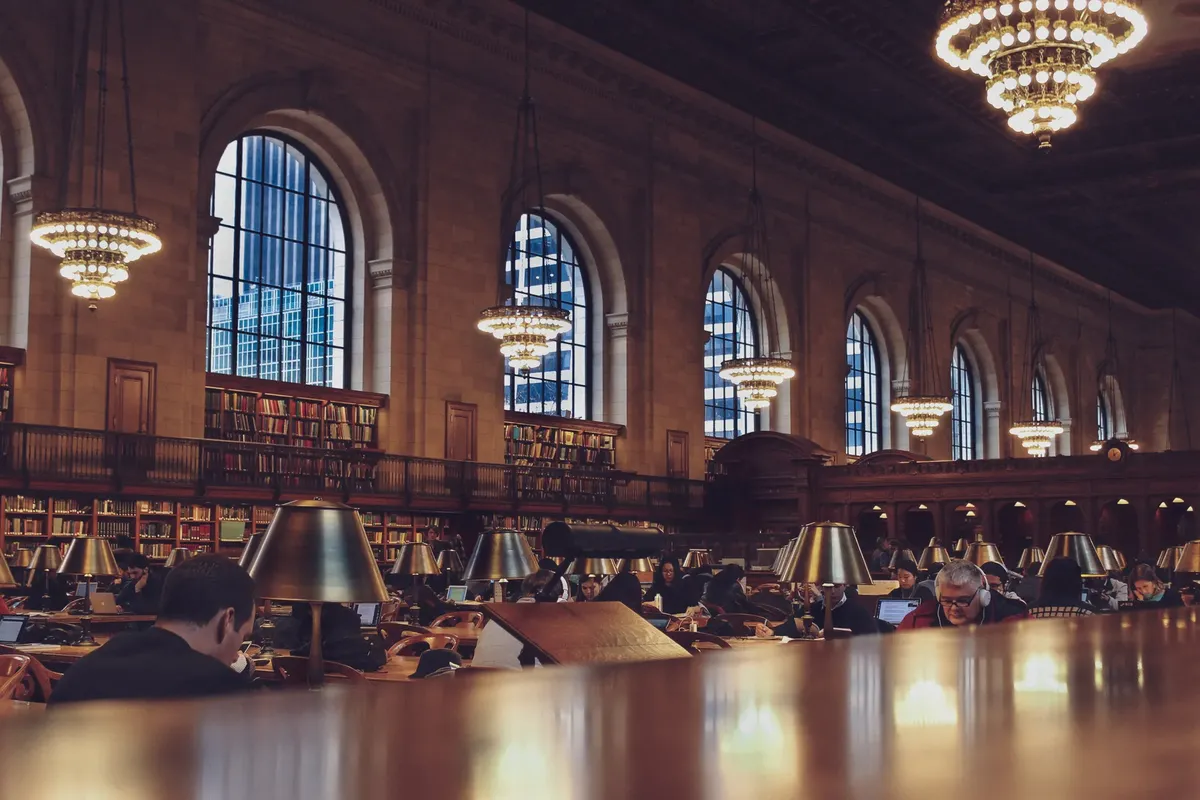
The system functions effectively as an urban learning resource by spreading its vast holdings across different geographic areas. While the NYPL holds the largest collection in the country, the Queens Borough Public Library (QPL) serves as the nation's second-largest system.
This structure allows for a wide-reaching library system impact. By having multiple large-scale systems, the city ensures that residents in different boroughs have access to significant academic depth.
This coverage helps bridge the gap between different neighborhoods and their specific educational needs.
- Identify local community learning gaps.
- Distribute specialized physical collections.
- Provide digital access to remote users.
What is the library system impact on students?
A young adult sits in a brightly lit study hall, surrounded by open textbooks and notebooks. The atmosphere is one of intense focus and quiet productivity.
The library system impact is most visible in the way it supports the city's massive student population. With more than a million students enrolled in over 120 higher education institutions in New York City, these libraries provide essential support.
An urban learning resource like this serves as a secondary classroom for the city's many scholars. The availability of such deep collections supports the academic rigor required by the local student body. This accessibility is a cornerstone of the city's educational infrastructure.
In this sequence, the second step is the longest.
How do collections support a library as knowledge base?
A historian carefully handles a fragile manuscript, noting the unique markings of age. The physical presence of history provides a tangible connection to the past.
A comprehensive library as knowledge base is built upon the diversity of the materials held within its walls. The New York Public Library (NYPL) possesses the largest collection of any public library system in the United States.
This depth of material allows for specialized research that would be difficult to conduct elsewhere. The sheer scale of the collections ensures that the library remains a fundamental pillar of information.
| Library System | Notable Scale Ranking |
|---|---|
| New York Public Library (NYPL) | Largest collection in the U.S. |
| Queens Borough Public Library (QPL) | Second-largest in the nation |
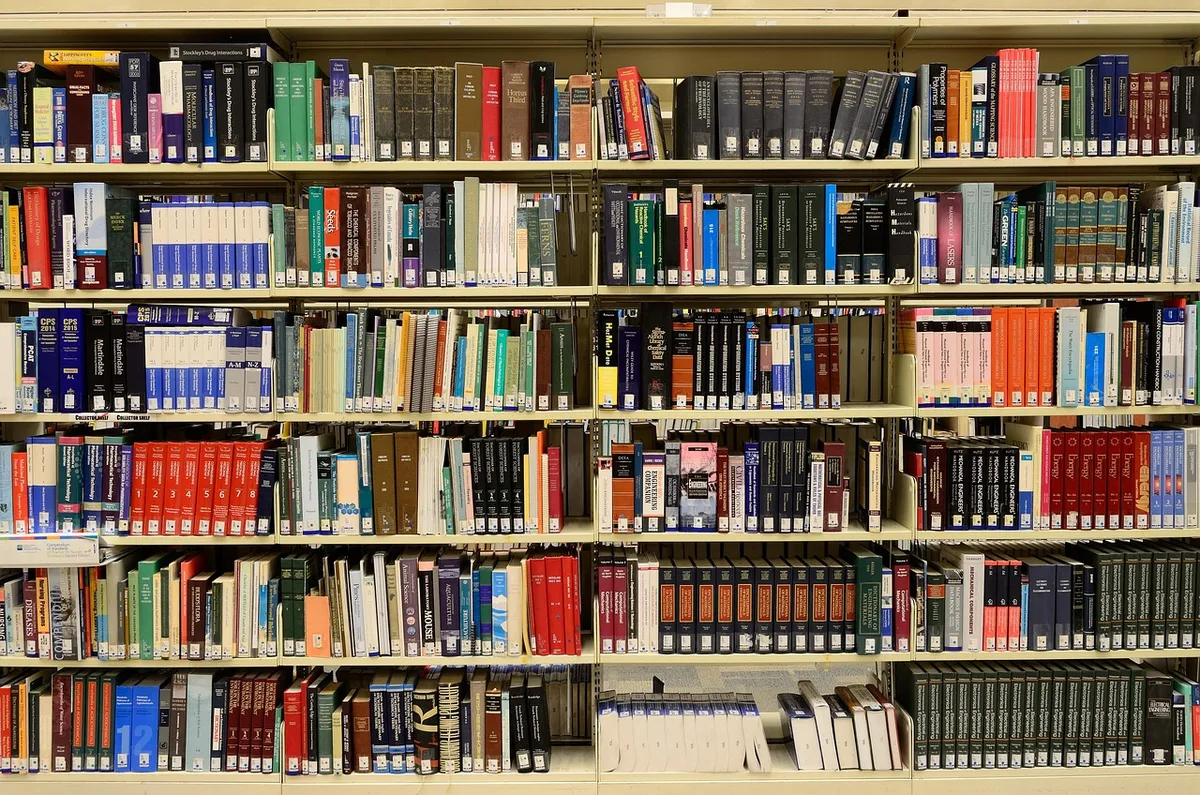
I observed how the sheer volume of books in these institutions makes them indispensable for serious study.
The limitation of this overview is that it focuses on the scale and scope of the library systems rather than specific current programming.
Collections act as a foundational repository that bridges the gap between raw information and usable knowledge.
The same subject is also called NYC public library scale.
This part also covers Civic education through books.
This part also covers Digital divide bridge.
Related
- China megacity population: Guide to urban living trends
- How did the population density change during the decade?
How does the scale support diverse needs?
The sheer size of the collection allows the library to serve varied community needs. The New York Public Library (NYPL) maintains the largest collection, offering resources for many different pursuits. This breadth of holdings supports the diverse intellectual pursuits of the residents.
As reported by the City University of New York, nearly a quarter million students are enrolled in the City University of New York (CUNY) system alone as of 2025.
The Queens Borough Public Library (QPL) contributes its significant collection to this overall resource pool. Its existence as the nation's second-largest system adds another layer to the educational provision. This combined scale addresses the varied demands of a large metropolis.
The availability of these extensive collections caters to both casual browsers and dedicated scholars. The library functions as a repository reflecting the intellectual pursuits of the entire city. This dual presence maximizes the utility of the combined collection.
The vast scale allows for the simultaneous management of specialized niche subjects and broad general interest materials.


Comments 0