Asian population diversity: NYC Asian population diversity
"The city is a tapestry of global movement, where the threads of heritage weave through every borough to create a unique urban identity."
New York City hosts a massive and diverse Asian community that serves as a vital pillar of its demographic landscape. This population group accounts for 15.6% of the city's residents, representing one of the most significant ethnic blocks in the metropolitan area.
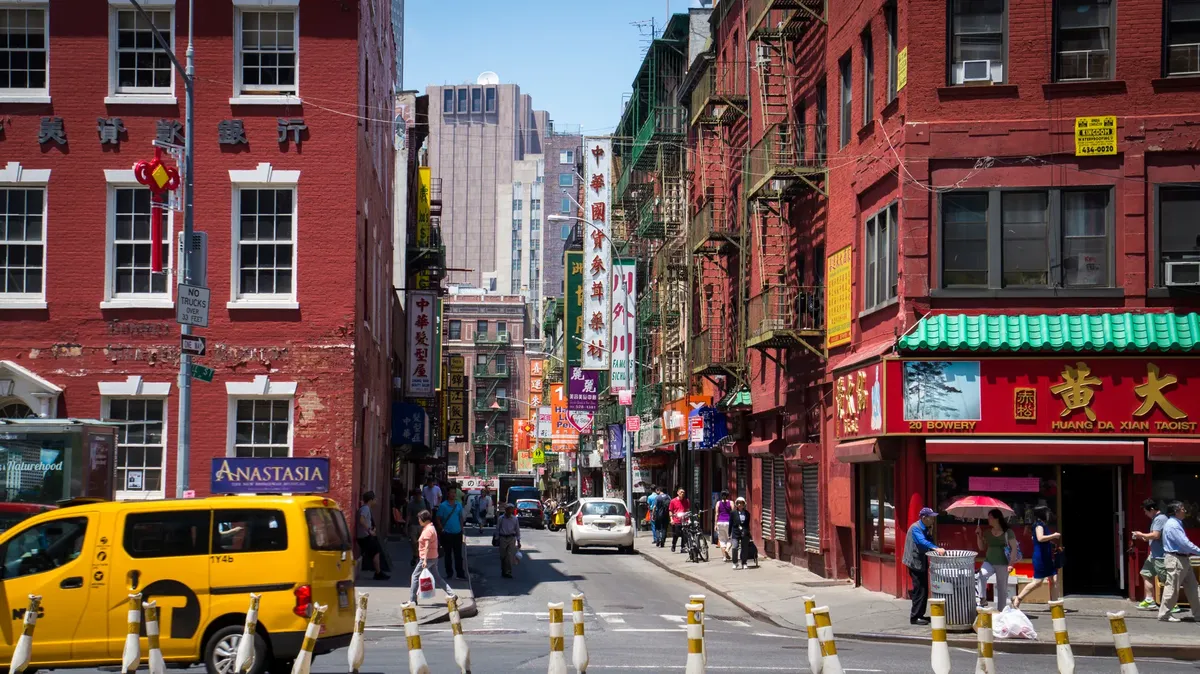
Key takeaways: * The Asian population represents 15.6% of the total city residency. * Chinese-origin residents make up 6.0% of the city, with significant concentrations in Queens. * Diversity within the group includes substantial South Asian, Filipino, and Southeast Asian communities.
How does the NYC Asian population diversity manifest in local statistics?
At midnight in the dim office, the researcher rubs tired eyes while studying the fluctuating data of the urban asian population.
A researcher looks at a series of demographic spreadsheets, noting how the numbers shift across different neighborhoods. The data reveals a complex composition of various ethnic groups that collectively form the Asian community.
The total number of residents of Asian origin stands at 1,373,502, making up 15.6% of the population. This group is not a monolith but consists of various distinct ethnicities with different geographic concentrations.
For instance, Chinese-origin residents account for 6.0% of the total population, and approximately two-fifths of this group resides in Queens.
The city's demographic balance shows a wide range of origins within this 15.6% segment. South Asian representation is led by Indians, who comprise 2.4% of the city's population, followed by Bangladeshis at 0.8% and Pakistanis at 0.4%.
Filipinos represent the largest Southeast Asian group at 0.8%, while Vietnamese-origin residents make up 0.2%.
How is the community broken down by ethnicity? While walking through the crowded market at noon, the resident feels the heat and notices the many faces within the asian community.
A resident walks through a bustling street market, seeing signs in various languages that reflect the city's heritage. Understanding these specific percentages helps clarify how different groups contribute to the overall demographic profile.
The internal structure of the community is quite varied. Koreans make up 1.2% of the city's population, and Japanese-origin residents account for 0.3%. These figures highlight the multi-layered nature of the larger Asian demographic.
The distribution of these groups varies by location and size. While the Chinese community has a strong presence in specific areas, other groups like the Indian community provide a significant portion of the South Asian presence.
This variety ensures that the community is a multifaceted component of the city's social fabric.
How did the foreign-born population influence these trends?
A historian examines archival documents, tracing the movement of people from different continents to the city's docks. The history of migration is central to understanding the current resident numbers.
The influence of immigration is a key factor in the current demographic makeup. Approximately 37% of the city's population is foreign-born, which contributes significantly to the diversity seen in the Asian community.
This history of movement has shaped the current resident count of 1,373,502 people of Asian origin.
The legacy of these movements is evident in the generational shifts within the population. As of 2013, more than half of all children were born to mothers who were immigrants. This historical context provides a foundation for the current demographic landscape.
How large is the Asian community compared to others? A student compares two different bar charts, observing the relative sizes of various ethnic groups in a metropolitan area. The comparison shows how the Asian community fits within the broader population.
The Asian population of 1,373,502 is part of a larger demographic hierarchy. In comparison, the Non-Hispanic White population is 2,719,856 (30.9%), the Hispanic origin population is 2,490,350 (28.3%), and the Black resident population is 1,776,891 (20.2%).
| Ethnic Group | Population Count | Percentage |
|---|---|---|
| Asian | 1,373,502 | 15.6% |
| Black | 1,776,891 | 20.2% |
I observed that the 15.6% Asian demographic is a substantial portion of the city's total identity.
What are the limitations of these demographic snapshots?
An analyst notes that data can change depending on the year and the specific criteria used for classification. Limitations in data collection can affect how these groups are perceived.
A limitation of these statistics is that they represent a specific moment in time, such as the 15.6% figure for the Asian population, which may not reflect real-time shifts.
- How does the NYC Asian population diversity manifest in local statistics?
- What are the specific ethnic breakdowns within the community?
- How did the foreign-born population influence these trends?
Related
- Copenhagen sustainable design: Tips for active transit
- How does the history of Kyoto define its modern identity?
How does the Asian population fit into the overall demographic structure of the city?
The Asian population of 1,373,502 represents a substantial segment of the city's total identity, as shown when comparing it to other major groups. The 15.6% Asian demographic is smaller than the Non-Hispanic White population, which accounts for 30.9%.
Conversely, the Asian population is larger than the Black resident population, which stands at 20.2%. The Asian demographic is also smaller than the Hispanic origin population, which represents 28.3% of the total residency.
What conditions define the internal structure of the Asian community?
The internal structure of the community is defined by the fact that it is not a monolith, but rather consists of various distinct ethnicities.
The total number of residents of Asian origin stands at 1,373,502, and this group is composed of different ethnic groups with varied geographic concentrations.
For example, the Chinese-origin residents, who account for 6.0% of the total population, have a significant concentration of approximately two-fifths of their group residing in Queens.
The distribution of these groups varies by location and size, ensuring that the community is a multifaceted component of the city's social fabric.
What does the generational shift imply about the community's growth?
The legacy of these movements is evident in the generational shifts within the population, which provides a foundation for the current demographic landscape. As of 2013, more than half of all children were born to mothers who were immigrants, illustrating a specific condition within the community.
This historical context of migration has shaped the current resident count of 1,373,502 people of Asian origin, contributing significantly to the diversity seen in the Asian community.
The influence of immigration is a key factor in the current demographic makeup, as approximately 37% of the city's population is foreign-born.
Wikipedia: Mayor of New York City (full)





Comments 0