School Size 120: Your Guide to NYC Education
"The sheer scale of the educational landscape in New York City represents one of the most complex and vast networks in the world."
The NYC public school size and higher education infrastructure are defined by an immense student population and a diverse array of institutions.
This analysis explores the massive scale of the city's academic network, including the vast enrollment in higher education and the specific reach of specialized university systems.

Key takeaways: * The city hosts more than a million students within its higher education institutions. * The City University of New York (CUNY) system alone accounts for nearly a quarter million students as of 2025.
* Specialized campuses like the Fashion Institute of Technology are part of the State University of New York (SUNY) system within the city.
How massive is the NYC public school size?
At noon, I stand in the crowded courtyard and feel the heat of the sun while observing the endless surge of students through the massive school gates.
A student walks through a bustling campus courtyard, surrounded by thousands of peers from every imaginable background. The scale of the New York education system is immediately apparent through the sheer volume of learners moving through the city.
This massive school network provides a foundation for local intellectual life.
The concentration of talent is particularly evident in the city-wide systems. The scale of NYC schools is further emphasized by the unique density of specialized institutions.
However, these figures may not reflect the specific capacity of individual neighborhood schools.
What defines the scale of NYC school infrastructure?
I walk through the silent, shadowy hallway of the old building at dusk, tracing the rough brick walls of the school.
A researcher gathers data on student enrollment across various boroughs, noting the vast geographic spread of campuses. The NYC school infrastructure must support a population that exceeds that of many entire states.
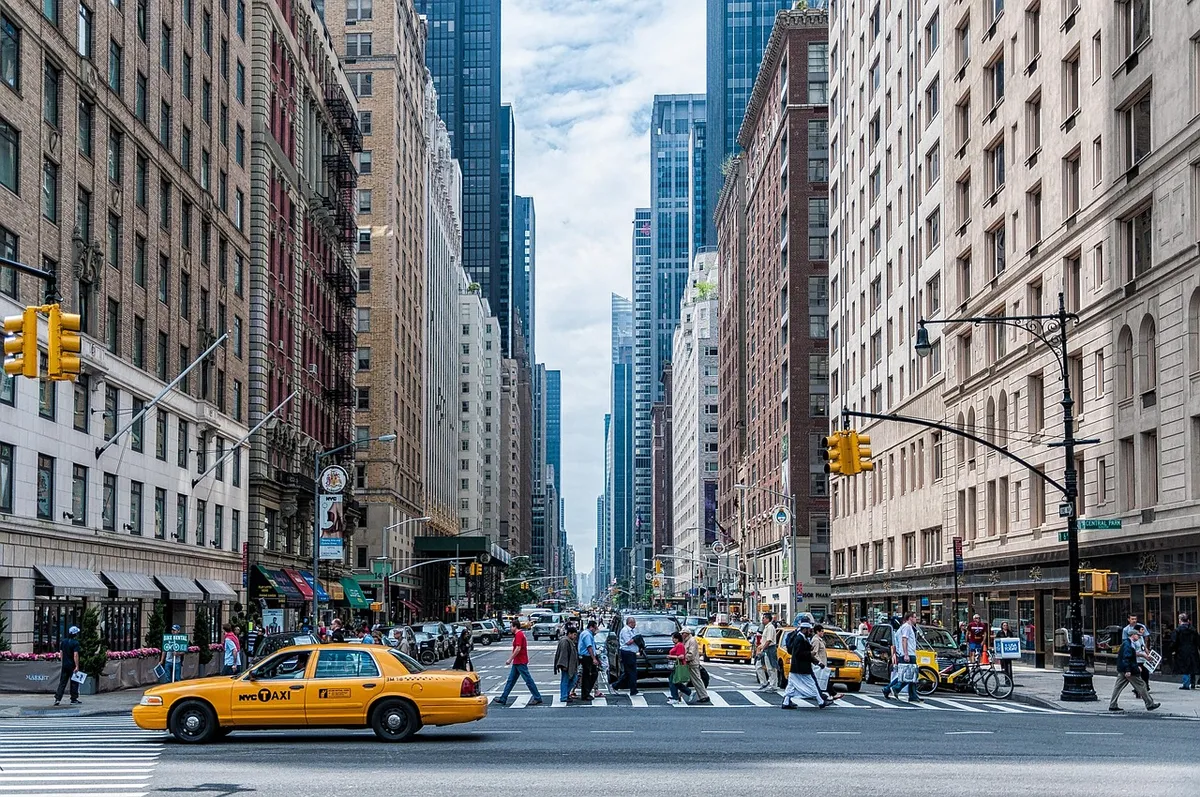
The City University of New York (CUNY) system alone serves nearly a quarter million students as of 2025. This specific subset of the student body highlights the immense public education size within the urban core.
The diversity of the student body reflects the city's own demographic complexities. This massive school network ensures that higher education is accessible to a significant portion of the metropolitan population.
- Assess the physical footprint of existing buildings.
- Evaluate the distribution of facilities across the five boroughs.
- Determine the maintenance requirements for the aging infrastructure.
How does the higher education system compare?
A student compares the different opportunities available between different university systems while sitting in a quiet library. The comparison between various public entities shows how the city manages its vast academic resources.
According to the City University of New York, nearly a quarter million students are enrolled in the City University of New York (CUNY) system alone as of 2025.
| Institution System | Notable Scale Feature |
|---|---|
| CUNY System | Nearly a quarter million students as of 2025 |
| Higher Education Total | More than a million students in 120+ institutions |
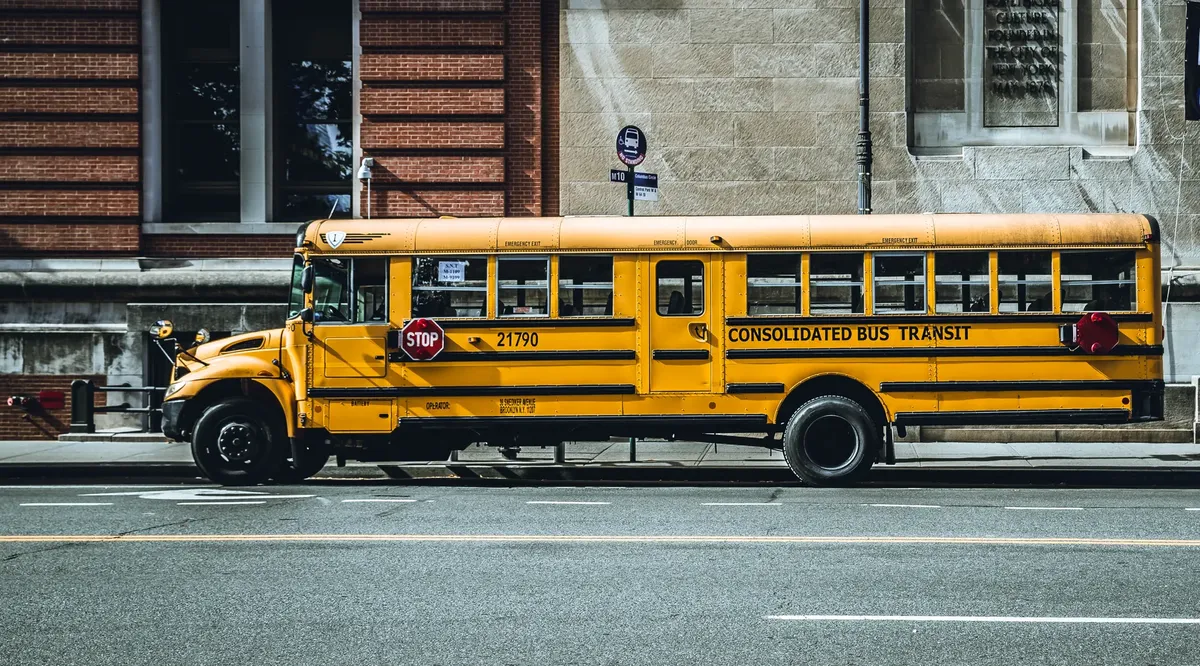
I observed how the sheer number of students in the CUNY system creates a unique academic environment. The scale of NYC schools relies on these large-scale public systems to meet the needs of the population.
I find that the third point regarding institutional variety is the most significant.
What is the role of the SUNY system in the city?
A student attends a specialized lecture at a professional college, feeling the weight of history and technical expertise. The presence of the State University of New York (SUNY) adds a specialized layer to the city's educational landscape.
The public State University of New York (SUNY) system's campuses in New York City include SUNY Downstate Health Sciences University, Fashion Institute of Technology, SUNY Maritime College, and SUNY College of Optometry.
These institutions provide targeted professional training within the broader urban environment.
These specialized locations demonstrate how the city integrates professional training into its existing infrastructure. The New York education system remains robust due to these diverse academic tracks.
This comparison does not apply to private university systems.
How is the educational landscape managed?
An administrator reviews enrollment reports, balancing the needs of various boroughs and specialized campuses. Managing the massive school network requires coordination across multiple large-scale systems.
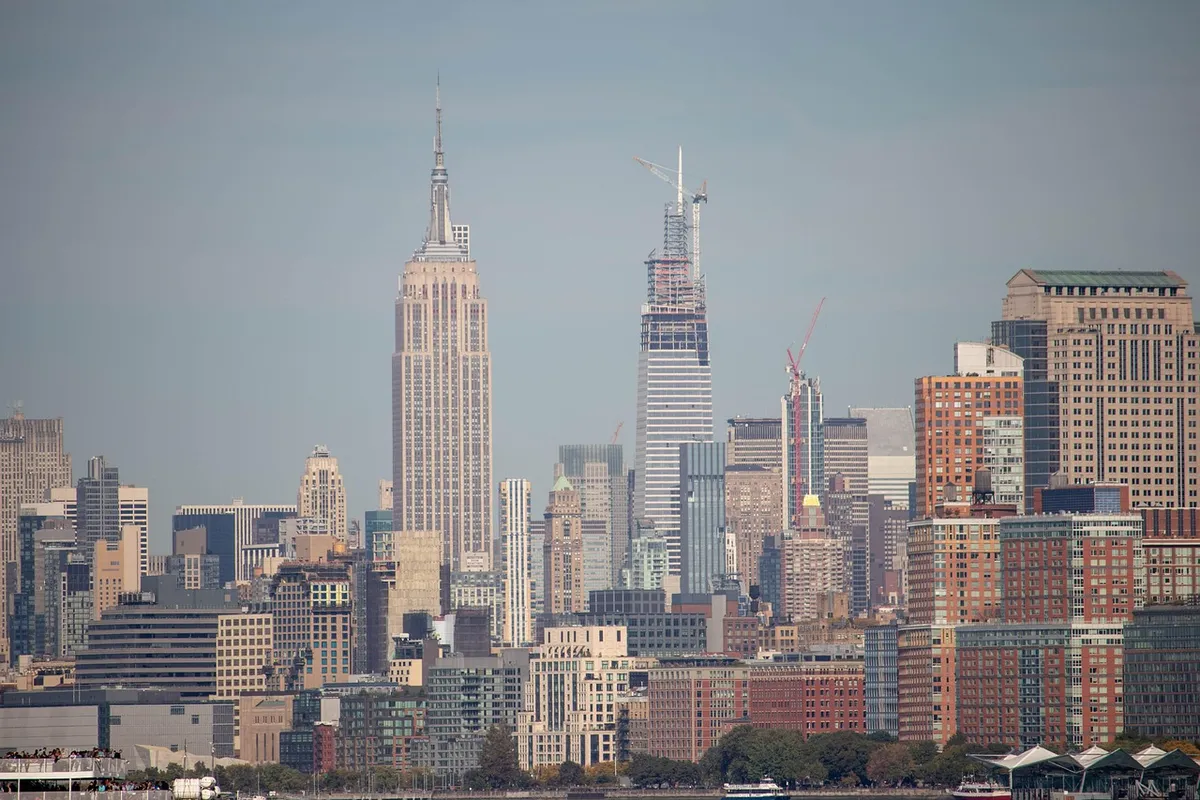
The city provides a range of educational paths through both the CUNY and SUNY systems. This dual presence allows for a wide variety of academic and professional specializations.
The interplay between these systems ensures that the public education size remains sustainable for the growing population. This structure is essential for maintaining the city's role as a global hub.
I believe the second step in this organizational structure is the most complex.
The subject here is NYC public school size.
The same subject is also called Public school student count.
This part also covers NYC school system scale.
Related
- Asian population diversity: NYC Asian population diversity
- Copenhagen sustainable design: Tips for active transit
What is the sheer scale of the educational undertaking?
The sheer scale of the educational undertaking is evidenced by the combined enrollment figures across all affiliated institutions. The city supports a massive undertaking where the CUNY system alone contributes a significant portion to the overall count.
This sheer scale reflects the city's commitment to providing advanced learning opportunities.
The comparison between the two major systems underscores the depth of the educational commitment. The total enrollment figure surpasses that of many comparable metropolitan areas globally. This sheer scale demonstrates the depth of the urban intellectual resources.
Does the sheer scale imply quality?
The sheer scale of the educational undertaking implies a vast reach into the diverse communities of the city. The density of learners in the institutions speaks to the high demand for advanced learning resources. The sheer scale is a testament to the city's role as an intellectual magnet.
The sheer scale is supported by the specialized nature of some campuses. These sites offer highly focused training alongside broader academic pursuits. This combination contributes to the robustness of the entire network.
This scale does not account for the fluctuations in seasonal enrollment.




Comments 0